Season 18 · Fall/Winter 2026

American Abilities Program Guide

All 26 Season 18 programs, connecting hearing health with medical research, veterans, disability access, science, community wellness, and holiday stories.

Sundays 10 AM ET

CW-WHAM Spectrum 16/1212

WHAMDT2 (CW) 13.2 On the Air

DirecTV Ch. 14

Sundays at 10 AM ET

Airing This Month

Timecyclopedia logo

AATV Schedule · Sponsored by

Timecyclopedia
Illustration of an antique compass rose surrounded by white sage and native grasses on aged parchment, marking Columbus Day and Indigenous Peoples' Day

This Sunday · Sunday, October 11 · 10 AM ET

Episode 793

American Abilities Columbus Day

Why watch: Explore Columbus Day and Indigenous Peoples’ Day — the history, differing perspectives, and hearing-health concerns of Indigenous communities.

Before you watch, see Episode 793 in Timecyclopedia →

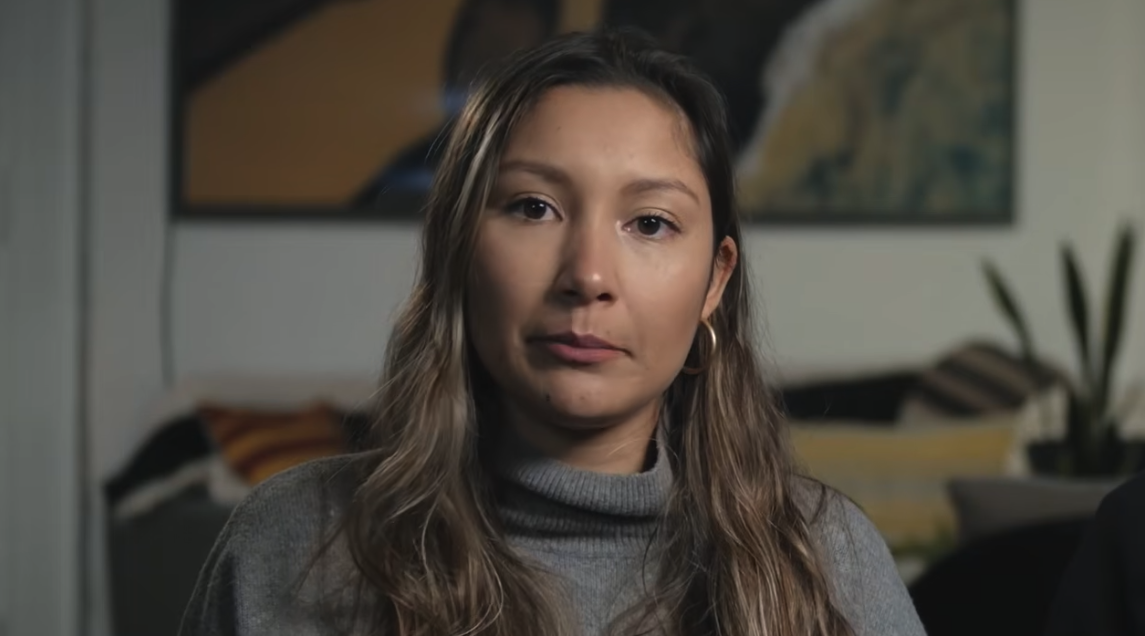
Brianna speaking about her family history of breast cancer in a still from Brianna's Family History of Breast Cancer: Accepting Support

Sunday, October 18 · 10 AM ET

Episode 765

Bring Your Brave: Nine Stories of Family History

Why watch: Nine young people share what it means to live with a family history of breast cancer — and why acting early matters.

Before you watch, see Episode 765 in Timecyclopedia →

The Doughboy memorial statue on the Memphis VA Medical Center grounds in a still from Finding the Way to Zero: PTSD Program

Sunday, October 25 · 10 AM ET

Episode 760

Finding the Way to Zero: PTSD Help That Works

Why watch: Explore PTSD treatment options and learn how listening with compassion can help veterans and families find a path forward.

Before you watch, see Episode 760 in Timecyclopedia →

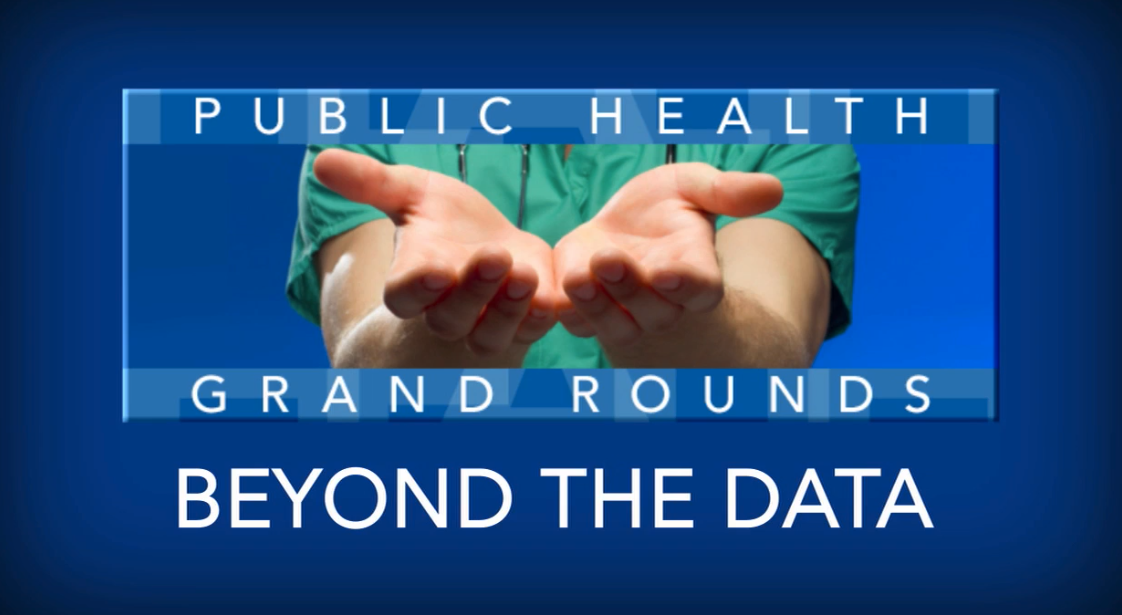
CDC Public Health Grand Rounds title card reading Beyond the Data

Sunday, November 1 · 10 AM ET

Episode 754

Hearing Health for a Lifetime

Why watch: Discover how everyday noise affects hearing — and simple ways to protect your connection to family, work, and the world.

Before you watch, see Episode 754 in Timecyclopedia →

Complete Season

26 Programs

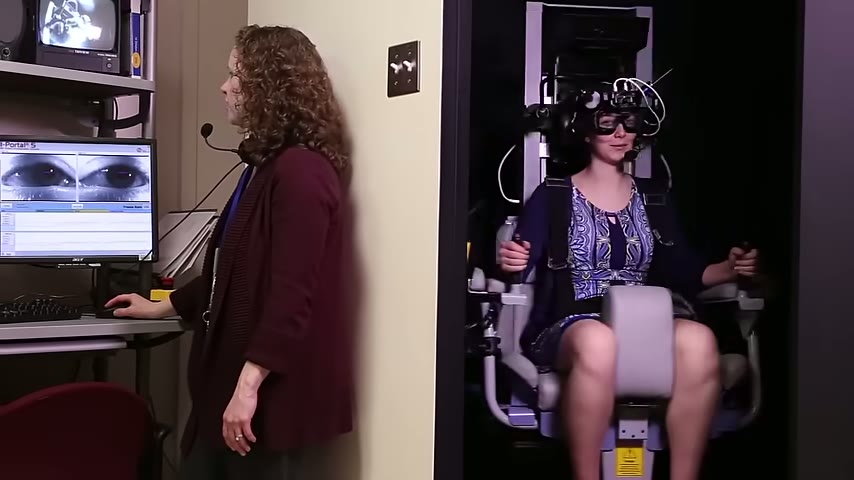
An NIH research audiologist testing a patient's balance at the NIH Clinical Center

Episode 735

Inside the NIH: Brain, Balance, and Pain Research

Episode 735 opens the doors of the National Institutes of Health, the nation's medical research agency, through eight of its own productions. Balance Research at the NIH takes viewers inside the NIH Clinical Center, where scientists study the inner-ear balance system that keeps us steady on our feet. Two Mental Health Minute segments from the National Institute of Mental Health explain anxiety disorders in adults and stress and anxiety in adolescents in plain, sixty-second language. The Hippocampus: A Window to Brain Research at NIH explores the brain structure at the center of memory. In Ketamine and Depression: From Despair to Hope in Hours, NIMH clinician-scientist Dr. Carlos Zarate describes research that brought relief from major depression in hours instead of weeks. Research fellow Benoit Renvoise of the National Institute of Neurological Disorders and Stroke shares work on inherited neurological disease, and Pain and the NIH HEAL Initiative presents the national research effort to solve the opioid crisis by transforming how pain is treated — a cause advanced by health policy analyst Cheryse Sankar, who helped lead NIH pain research policy and the HEAL Initiative's work on disparities in pain care.

Why this show matters

For viewers and families, this is the nation's research enterprise explained by the people doing it. For hospitals, universities, health partners, broadcasters, sponsors, and funders, it shows AATV bringing world-class science to a broadcast built on accessibility.

Explore this in Timecyclopedia

In this program

  • Balance Research at the NIH
  • Mental Health Minute Anxiety Disorders
  • The Hippocampus A Window to Brain Research at NIH
  • Ketamine and Depression From Despair to Hope in Hours - Carlos Zarate, NIH Clinician Scientist
  • Benoit Renvoise - NIH - National Institute of Neurological Disorders and Stroke
  • Mental Health Minute Stress and Anxiety in Adolescents
  • Pain and the NIH HEAL Initiative
  • Cheryse Sankar - Health Policy Analyst - NIH
Sound Tips™ Companion

During this broadcast, the Sound Tips™ ticker connects brain, balance, and pain research to hearing health. The balance system lives in the inner ear, right beside the hearing system — so dizziness, vertigo, and unsteadiness often travel with hearing loss and tinnitus, and a balance problem is a good reason to ask for a hearing evaluation too. About one-third of U.S. adults experience an anxiety disorder at some point in their lives, and stress and anxiety can make tinnitus feel louder and harder to ignore; relaxation, good sleep, and talking with a health care provider all help. Depression research offers hope: NIH studies showed ketamine can lift major depression within hours, and that work has opened a new direction for treatment. Chronic pain affects tens of millions of American adults, and the NIH HEAL Initiative is funding research into better, safer ways to manage it — because pain, stress, poor sleep, and hearing problems often reinforce one another. Tips: tell your doctor about ringing, dizziness, or unsteadiness; protect your hearing in noise; and remember that mental health care is health care.

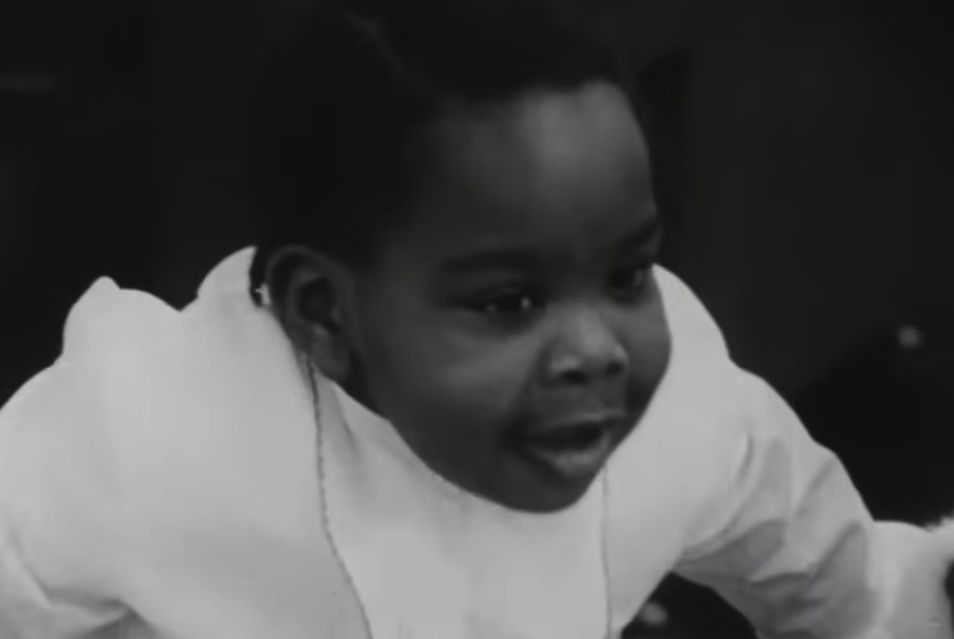
A young child smiling in a black-and-white still from Robin, Peter, and Darryl Three to the Hospital

Episode 741 · Part 1

Three Children, One Hospital Journey

The first installment of a landmark three-part presentation of Robin, Peter, and Darryl Three to the Hospital, produced by Columbia University's Department of Nursing in 1969. Three children, three journeys through the hospital, and a rare archival window into how young patients were cared for more than half a century ago.

Why this show matters

For families, educators, and health partners, this program shows what American Abilities does that no other broadcast does: preserves health history while connecting it to the health questions families face today — and makes it fully accessible to viewers with hearing loss and disabilities.

Explore this in Timecyclopedia

In this program

  • Robin, Peter, and Darryl Three to the Hospital (Columbia University, Department of Nursing, 1969)
Sound Tips™ Companion

During this broadcast, the Sound Tips™ ticker focuses on the littlest ears: about 2 to 3 of every 1,000 babies in the United States are born with a detectable hearing loss in one or both ears, and more than 6,000 infants born in 2022 were identified with a permanent hearing loss. The ticker explains why every newborn should be screened before leaving the hospital — screened by 1 month of age, diagnosed by 3 months, and in early intervention by 6 months — and why early testing matters through infancy, childhood, and the teenage years: hearing loss that goes undetected can delay a child's speech, language, social, and emotional development. Parents will also hear the warning signs to watch for at home: a baby who does not startle at loud noises, a 6-month-old who does not turn toward sound, a 1-year-old who is not saying 'mama' or 'dada,' or a child who keeps turning the television volume up.

A baby looking toward the camera in a black-and-white still from Robin, Peter, and Darryl Three to the Hospital

Episode 742 · Part 2

Courage and Care Through a Child’s Eyes

Part 2 continues the story of Robin, Peter, and Darryl as their hospital journeys deepen — the treatments, the caregivers, and the moments of courage that defined pediatric care in 1969.

Why this show matters

It is an honest look at how far children's medicine has come, and a conversation-starter for families, classrooms, and clinics about what compassionate care for young patients should look like today.

Explore this in Timecyclopedia

In this program

  • Robin, Peter, and Darryl Three to the Hospital (Columbia University, Department of Nursing, 1969)
Sound Tips™ Companion

The Sound Tips™ ticker turns to the illnesses that can put a child's hearing at risk. Congenital CMV — cytomegalovirus — is the most common infectious cause of birth defects in the United States: about 1 in 200 babies is born with it, and about 1 in 5 of those will have long-term health problems, including hearing loss that can appear or worsen after a newborn hearing screen is passed. The ticker also covers bacterial meningitis, which can damage hearing permanently, and repeated middle-ear infections, one of the most common childhood causes of temporary — and sometimes lasting — hearing loss. And because good nourishment protects developing ears, the ticker shares how shortages of vitamins A, C, and E and of zinc, iron, and iodine are linked to poorer hearing and to ear infections that heal poorly — and what a hearing-healthy plate looks like for a growing child.

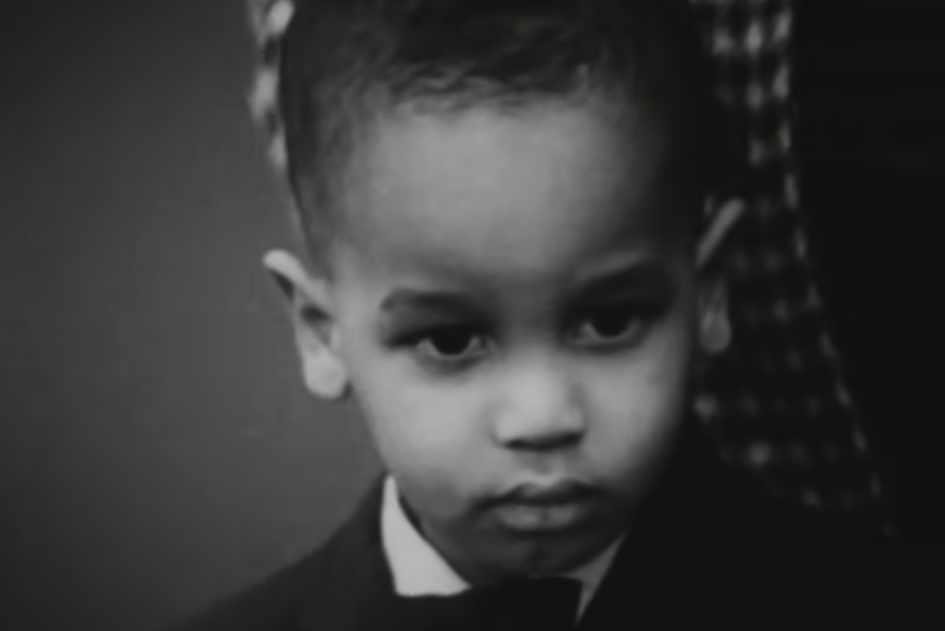
A young boy in formal clothing in a black-and-white still from Robin, Peter, and Darryl Three to the Hospital

Episode 743 · Part 3

What Children’s Care Teaches Us Today

The conclusion of the trilogy brings Robin, Peter, and Darryl's stories to their resolutions — and measures the distance between 1969 and today, when nearly every American newborn is screened for hearing before leaving the hospital.

Why this show matters

For stakeholders and partners, the completed three-part presentation demonstrates AATV's ability to carry a serious health subject across multiple broadcasts with depth, dignity, and full accessibility.

Explore this in Timecyclopedia

In this program

  • Robin, Peter, and Darryl Three to the Hospital (Columbia University, Department of Nursing, 1969)
Sound Tips™ Companion

The Sound Tips™ ticker looks at children's hearing across communities. Nationally, about 14.9% of children ages 6 to 19 show some low- or high-frequency hearing loss, and about 15% of adolescents ages 12 to 19 are affected. The most recent national data show hearing in children is largely similar across racial and ethnic groups — white, Black, and Hispanic children alike — with family income, not ethnicity, among the strongest childhood risk factors; among adults, hearing loss is most common in non-Hispanic white adults and lowest in non-Hispanic Black adults. The ticker closes the series with a parent's checklist: keep well-child hearing checks, treat ear infections promptly, keep immunizations current, feed growing bodies well, and protect young ears from loud sound — because every child's hearing is worth protecting.

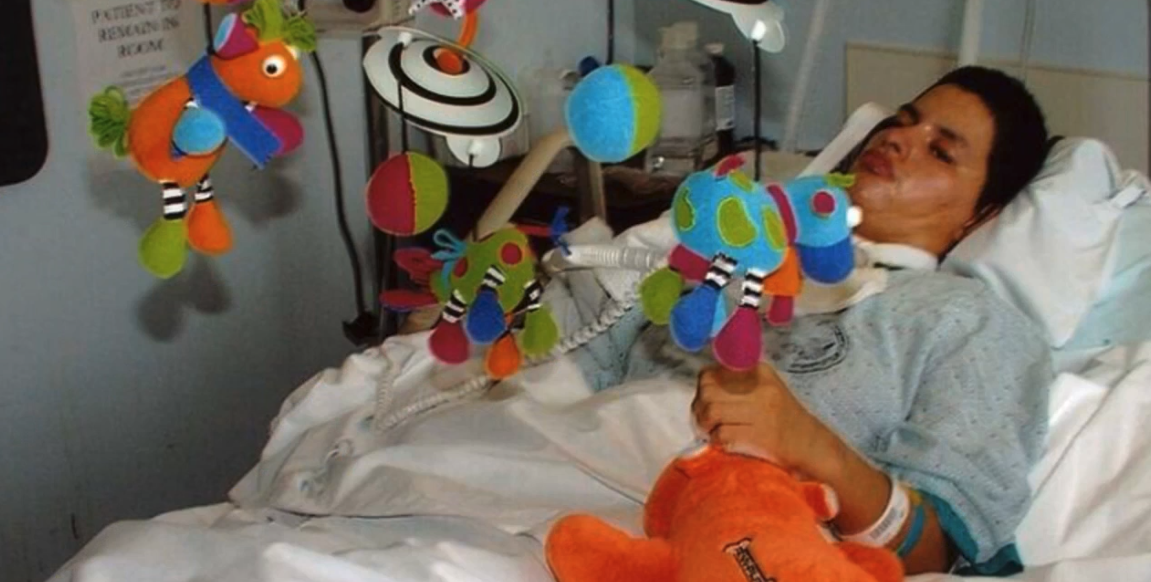
A woman veteran recovering in a hospital bed surrounded by colorful gifts

Episode 744

Her Story, Her Healing: Women Veterans After TBI

In Her Own Words centers women service members and veterans as they describe traumatic brain injury in their own voices. Created through a digital storytelling workshop with StoryCenter and supported by the VA Palo Alto Health Care System Polytrauma System of Care, these seven short films make room for experiences that can be overlooked because women remain a minority within the veteran community. Across A Miracle Can Happen, Different Me, Hope, Ready or Not, Stronger, The Advocate, and Wounded Trust, viewers encounter personal paths through injury, changed identity, resilience, advocacy, trust, and healing. In Wounded Trust, Jeanette shares the struggle of rewiring her brain to trust people again and the path toward healing.

Why this show matters

For veterans and families, the program offers recognition and community; for healthcare providers, veteran-serving organizations, funders, and broadcasters, it demonstrates why recovery must be heard from the women living it.

Explore this in Timecyclopedia

Related in Timecyclopedia: Tammy Duckworth · Iraq War · War in Afghanistan · GI Bill of Rights

In this program

  • In Her Own Words A Miracle Can Happen
  • In Her Own Words Different Me
  • In Her Own Words Hope
  • In Her Own Words Ready or Not
  • In Her Own Words Stronger
  • In Her Own Words The Advocate
  • In Her Own Words Wounded Trust
Sound Tips™ Companion

During this broadcast, the Sound Tips™ ticker explains that military noise, blasts, and traumatic brain injury can affect more than hearing thresholds: veterans may experience hearing loss, tinnitus, difficulty understanding speech in noise, sound sensitivity, dizziness, or other auditory-processing problems even when a standard hearing test does not tell the whole story. Research also shows that tinnitus commonly co-occurs with TBI, PTSD, anxiety, and depression; these are associations, not proof that one condition causes another. The ticker encourages veterans to report every hearing and communication symptom, protect their hearing from further hazardous noise, and seek a complete evaluation. Veterans enrolled in VA health care can contact VA Audiology directly without a referral for testing, hearing technology, rehabilitation, tinnitus education, and counseling. Because women remain underrepresented in much veteran hearing and TBI research, listening to their individual experiences is essential to better care and a stronger community.

Episode 749

American Abilities Christmas

Episode 749 brings together holiday displays, community traditions, and stories of Christmas joy. From Washington, DC, and Nationals Park to a Virginia home filled with Christmas spirit, the program visits places where people celebrate the season. It also features Santa bringing joy to Deaf children, the U.S. Marines' Toys for Tots, and VOA Learning English's presentation of A Visit From St. Nicholas.

Why this show matters

For viewers and families, this show offers a chance to share the season together and see Deaf children included in its celebrations.

Explore this in Timecyclopedia

In this program

  • Holiday Displays in Washington, DC
  • Nationals Park in Lights — VOA Connect
  • Santa Brings Christmas Joy To Deaf Children
  • US Marines' 'Toys for Tots' Bring Christmas Joy
  • Virginia House With Over-the-Top Christmas Spirit
  • VOA Learning English Presents 'A Visit From St. Nicholas'
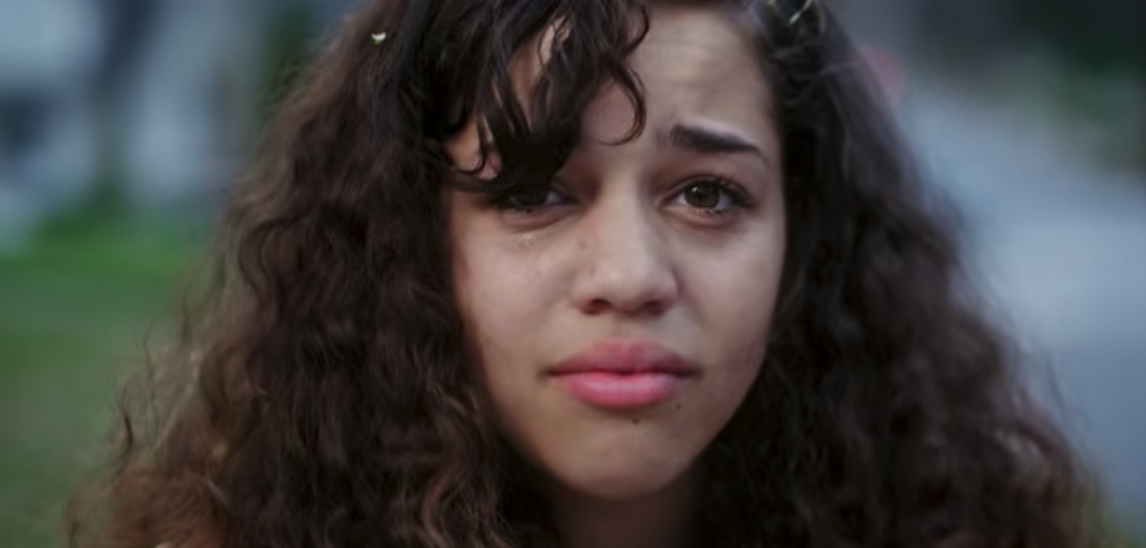
A young girl looking emotional in a still from Be Someone’s Hero

Episode 750

Standing Up to Bullying, Together

Episode 750 brings together four perspectives on preventing bullying and youth violence. Be Someone’s Hero shows how a witness can safely stand up, speak out, and interrupt bullying. SafERteens follows an evidence-based, one-on-one intervention that meets young people in emergency departments, helps them name their goals, and practices conflict-resolution skills before violence repeats. Stop Bullying: People Speak Out! centers the experiences of students, families, educators, and communities, while Things Kids Say introduces SAMHSA’s KnowBullying conversation tools for parents and educators. Together, the segments replace silence with practical action.

Why this show matters

For families and young viewers, the program offers language for asking for help; for schools, healthcare providers, disability advocates, community partners, broadcasters, and funders, it shows why prevention succeeds when young people are heard and adults respond early.

Explore this in Timecyclopedia

In this program

  • Be Someone’s Hero
  • SafERteens Prevents Youth Violence
  • Stop bullying People speak out! (long version)
  • Things Kids Say - Help Prevent Bullying with the KnowBullying App by SAMHSA
Sound Tips™ Companion

During this broadcast, the Sound Tips™ ticker explains that about 19% of U.S. students ages 12 to 18 reported being bullied at school in 2021–22, and that children and teenagers with disabilities face an elevated risk. Deaf and hard-of-hearing students may be targeted because of communication differences or social isolation, but hearing aids and cochlear implants are not the problem: safe, inclusive school environments and strong peer and adult support matter. Viewers learn warning signs — unexplained injuries, lost belongings, headaches or stomachaches, sleep changes, falling grades, avoiding school, lost friendships, or feelings of helplessness — and how to respond: listen without blame, document what happened, involve the school, and encourage witnesses to get a trusted adult rather than intervene unsafely. Daily, age-appropriate conversations help children know they can ask for help. Bullying is associated with anxiety, depression, isolation, and poorer learning; it does not by itself cause hearing loss. A blow to the head or ear, or an extremely loud sound used to harass someone, can injure hearing and needs prompt medical attention.

CDC Public Health Grand Rounds title card reading Beyond the Data

Episode 754

Hearing Health for a Lifetime

Episode 754 is AATV’s mission in its purest form: a full half-hour devoted to hearing itself. It opens with CDC’s Beyond the Data conversation from the Public Health Grand Rounds session It’s Loud Out There: Hearing Health across the Lifespan, where public health experts explain why noise-induced hearing loss is growing among young and older people alike and why it is largely preventable. Hearing: A Gateway to Our World reminds viewers what hearing connects us to — family, learning, work, safety, and community. Hearing Protection: How to Use Pre-Molded Earplugs turns that message into a practical skill anyone can learn in minutes, and Why NIDCD Does Research shows how the National Institute on Deafness and Other Communication Disorders works to improve life for people with hearing loss.

Why this show matters

For viewers, the program moves from awareness to action; for hospitals, audiologists, employers, schools, public health partners, broadcasters, sponsors, and funders, it demonstrates how one broadcast can carry national prevention science into Rochester living rooms.

Explore this in Timecyclopedia

In this program

  • Beyond the Data -- It’s Loud Out There Hearing Health across the Lifespan
  • Hearing A Gateway to Our World
  • Hearing Protection How to Use Pre-Molded Earplugs
  • Why NIDCD Does Research Helping People with Hearing Loss
Sound Tips™ Companion

During this broadcast, the Sound Tips™ ticker follows hearing health across the lifespan. Loud noise can cause permanent hearing loss, and everyday sounds — lawn mowers, power tools, recreational vehicles, and loud music — contribute. According to CDC, about 1 in 4 U.S. adults who say their hearing is excellent or good already show signs of noise-induced hearing damage, and about 70% of people exposed to loud noise seldom or never wear hearing protection. The World Health Organization estimates that more than 1 billion young people are at risk from unsafe listening. Sounds at or above 85 decibels can damage hearing with long or repeated exposure. Tips: move away from loud sound, turn the volume down, limit listening time, and use earplugs or earmuffs. For pre-molded earplugs, choose the right size, reach over your head to pull the ear up and back, insert the plug until it seals, and check the fit — your own voice should sound deeper. Warning signs include ringing in the ears and trouble following conversations in noise. Hearing checks belong in routine health care at every age, and research supported by NIDCD continues to improve diagnosis, prevention, and treatment.

The Doughboy memorial statue on the Memphis VA Medical Center grounds in a still from Finding the Way to Zero: PTSD Program

Episode 760

Finding the Way to Zero: PTSD Help That Works

Episode 760 is devoted to post-traumatic stress disorder — understanding it, treating it, and responding to it with skill and compassion. Finding the Way to Zero: PTSD Program comes from the Memphis VA Medical Center’s suicide-prevention series, showing veterans exactly where to find help. The PTSD Treatment Decision Aid, from the VA National Center for PTSD, walks viewers through proven treatments — therapies such as Cognitive Processing Therapy and Prolonged Exposure, and medications — so patients and providers can choose together. Recognizing Trauma and Symptoms of PTSD and Responding to Trauma Disclosures, from the VA Office of Rural Health’s Late Life PTSD Educational Films, teach families and caregivers how trauma can re-emerge as veterans age, and how to listen with empathy when someone finally tells their story.

Why this show matters

For veterans and their families, the program says plainly: help exists, and it works. For VA partners, healthcare providers, veterans’ organizations, broadcasters, sponsors, and funders, it shows how one broadcast can move a viewer from silence to treatment.

Explore this in Timecyclopedia

In this program

  • Finding the Way to Zero PTSD Program
  • PTSD Treatment Decision Aid
  • Recognizing Trauma and Symptoms of PTSD
  • Responding to Trauma Disclosures
Sound Tips™ Companion

During this broadcast, the Sound Tips™ ticker explains how trauma and hearing health intersect. About 6 out of every 100 U.S. adults will experience PTSD in their lifetime; among veterans the rate is about 7 out of 100, rising to as many as 29 out of 100 for those who served in Iraq and Afghanistan. Roughly one in three veterans receiving care for tinnitus also carries a PTSD diagnosis, and veterans with PTSD report more sound-tolerance problems — ordinary sounds can feel startling or overwhelming. Blast exposure links the two conditions directly: service members exposed to blasts report twice the prevalence of hearing difficulty, and research shows much of that connection runs through PTSD itself. Injured personnel with hearing loss in both ears have nearly three times the odds of a PTSD diagnosis. PTSD can also heighten how burdensome hearing problems feel, even when a hearing test reads normal — hypervigilance changes the experience of sound. Tips: sudden loud sounds can trigger symptoms, so hearing care should be predictable and consent-based; treating PTSD often improves hearing outcomes too; and veterans can reach VA hearing and mental health care directly. If someone discloses trauma, listen without pressing for details, believe them, and help them connect to care.

Episode 763

Operation Christmas Drop and Holiday Traditions

Episode 763 pairs Operation Christmas Drop with a visit to a Christmas museum and a look at Christmas traditions from VOA Learning English. The three segments bring together a story of giving, memories of holidays past, and the customs people carry forward.

Why this show matters

For viewers and families, the program offers a way to reflect on generosity, shared memories, and the different ways people mark the season.

Explore this in Timecyclopedia

In this program

  • Operation Christmas Drop — December 15, 2022
  • Christmas Museum Evokes Memories of Holidays Past
  • Christmas Traditions with VOA Learning English
Brianna speaking about her family history of breast cancer in a still from Brianna's Family History of Breast Cancer: Accepting Support

Episode 765

Bring Your Brave: Nine Stories of Family History

Episode 765 brings together nine short first-person films from CDC’s Bring Your Brave campaign, produced with the National Association of Chronic Disease Directors, about young people living with a family history of breast cancer. Brianna learns to accept support. Cara, whose mother died of breast cancer when Cara was three, draws on her family history and Ashkenazi Jewish heritage to stay proactive — and finds her own cancer early, at 25. Dana opens the family conversation, Eli takes control of his risk, and Erika faces her risk at a young age. Hannah reflects on feeling lucky, and Lauren works to break the cycle. Kenneth, diagnosed at 34, shows that men get breast cancer too and finds strength in connecting with others. Ricki speaks plainly about being Black with breast cancer. Together they carry one message: know your family history, talk about it, and act early.

Why this show matters

For viewers, the program turns fear into steps they can take. For health systems, cancer and genetics programs, community groups, broadcasters, sponsors, and funders, it shows how honest storytelling can move families toward screening and genetic counseling.

Explore this in Timecyclopedia

In this program

  • Brianna’s Family History of Breast Cancer Accepting Support
  • Cara My Breast Cancer Journey
  • Dana’s Family History of Breast Cancer Having the Conversation
  • Eli’s Family History of Breast Cancer Taking Control
  • Erika’s Family History of Breast Cancer Facing Your Risk at a Young Age
  • Hannah’s Family History of Breast Cancer Feeling Lucky
  • Kenneth’s Family History of Breast Cancer Finding Strength Through Connection
  • Lauren’s Family History of Breast Cancer Breaking the Cycle
  • Ricki’s Family History of Breast Cancer Being Black with Breast Cancer
Sound Tips™ Companion

During this broadcast, the Sound Tips™ ticker connects breast cancer care with hearing health. Some cancer treatments can harm hearing: platinum chemotherapy drugs such as cisplatin and carboplatin are known to be ototoxic, meaning they can damage the inner ear, and some patients report tinnitus (ringing) or hearing changes during or after treatment. Chemotherapy-related hearing loss often starts with high-pitched sounds, so it can go unnoticed at first. Tips: before treatment, ask your oncology team whether any of your medicines can affect hearing, and ask for a baseline hearing test; report ringing, fullness, dizziness, or trouble following conversation right away; and bring a trusted person to appointments, since stress and fatigue make hard-of-hearing listening even harder. Family history matters: having close blood relatives with breast or ovarian cancer can raise your risk, and genetic counseling can help you decide on testing. About 1 in every 100 breast cancers in the U.S. is found in a man. Black women are about as likely as white women to get breast cancer but are more likely to die from it, which is why early screening and equal access to care matter. Viewers with hearing loss have the right to ask for interpreters, captions, or assistive listening at medical visits.

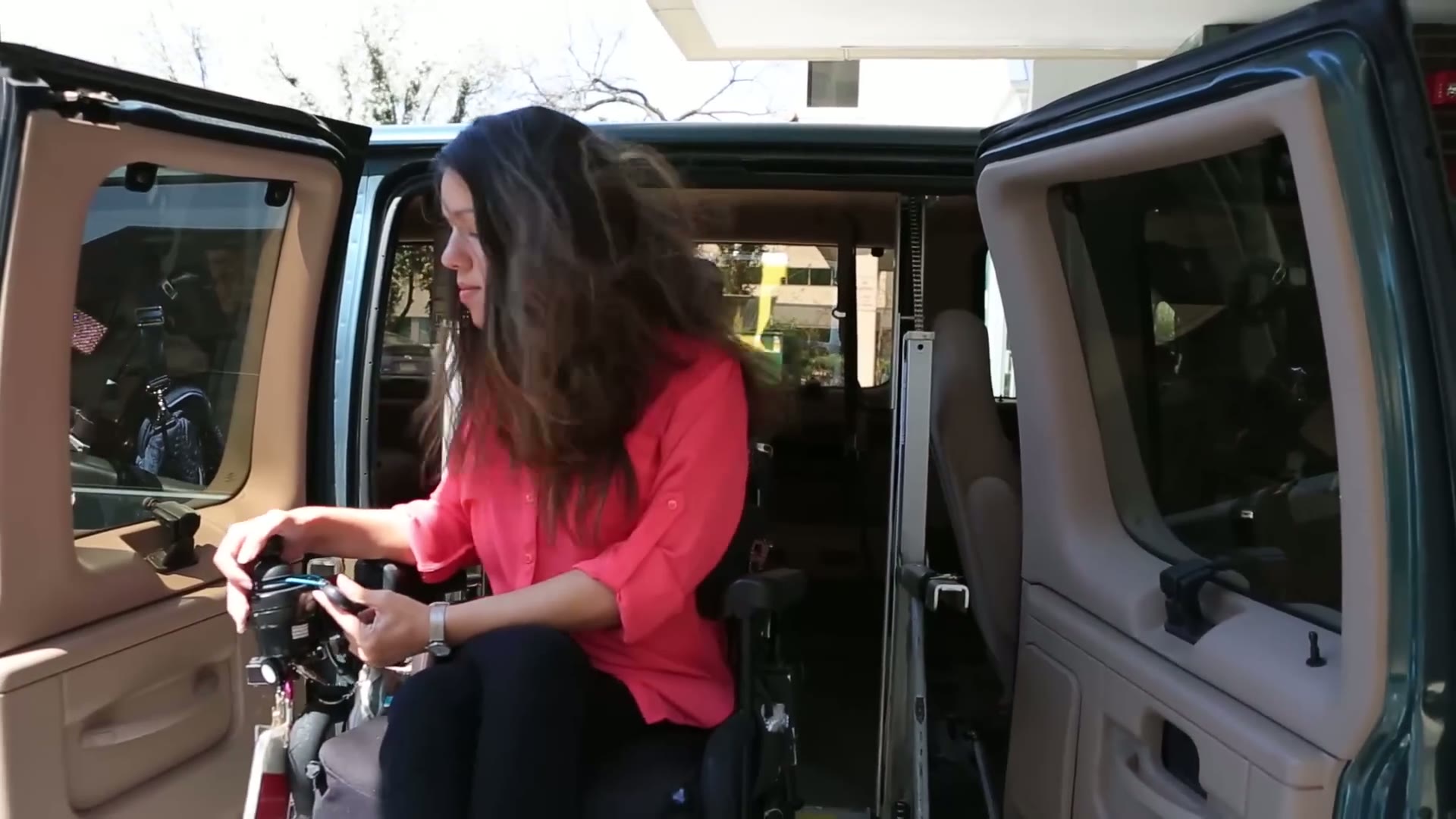
Michele Boardman in a wheelchair beside her accessible van, in a still from the Social Security Choose Work film Michele's Ticket to Work Success Story

Episode 772

Ticket to Work: Real Stories of Going Back to Work

Episode 772 introduces Social Security's Ticket to Work program through the people who have lived it. What is Ticket to Work, from Social Security's Choose Work campaign, explains the free and voluntary program that helps disability beneficiaries ages 18 through 64 prepare for work, find a job, and keep moving toward financial independence, with free services from Employment Networks and state vocational rehabilitation agencies. Three success stories follow. Michele Boardman, who has limb-girdle muscular dystrophy and has used a wheelchair since age 13, used Work Incentives to help pay for her education and vehicle modifications — and turned that knowledge into a career as a Community Work Incentives Coordinator at AHEDD, counseling others on how work affects their benefits. Robert Statam, an Army veteran and former postal carrier paralyzed after a surgical injury, connected with the program through the VA and Paralyzed Veterans of America and found the safety nets that made trying work feel safe. Rob McClain, a Wisconsin volunteer firefighter and business owner, lost 300 pounds to qualify for a kidney transplant, then rebuilt his working life with the program's help.

Why this show matters

For beneficiaries and families, this half-hour answers the fear at the center of it all — will I lose my benefits if I work? For workforce agencies, vocational counselors, veterans' organizations, broadcasters, sponsors, and funders, it shows AATV delivering Social Security's own employment education in a fully accessible broadcast.

Explore this in Timecyclopedia

In this program

  • What is Ticket to Work
  • Ticket to Work Success Story: Michele Boardman
  • Ticket to Work Success Story: Robert Statam
  • Ticket to Work Success Story: Rob McClain
Sound Tips™ Companion

During this broadcast, the Sound Tips™ ticker connects hearing loss to work and benefits. Hearing loss is one of the most common disabilities among working-age adults, and Social Security's disability programs cover people whose hearing loss, alone or with other conditions, keeps them from substantial work. The Ticket to Work Help Line serves deaf and hard-of-hearing callers directly at 1-866-968-7842 (voice) or 1-866-833-2967 (TTY). Work Incentives can let you test a job while keeping Medicare or Medicaid and, in many cases, cash benefits — a myth says working ends benefits immediately, and it is not true. Tips: if hearing loss affects your work, ask about a hearing evaluation and workplace accommodations such as captioned phones, amplified headsets, and quiet meeting spaces; tell your employer what communication works best for you; talk with a benefits counselor before you start a job so there are no surprises; and remember that vocational rehabilitation agencies can help with hearing aids and other technology needed for employment.

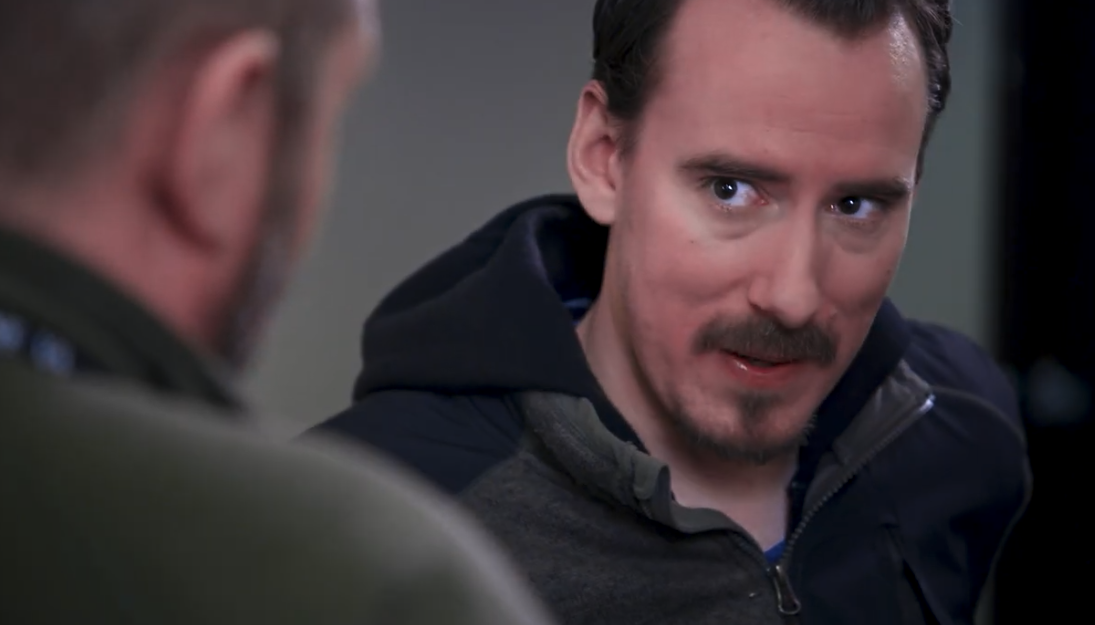
A young Marine veteran listening intently to an older veteran in a VA hallway in a still from My Whole Health Journey

Episode 777

Whole Health: Care That Starts With You

Episode 777 features My Whole Health Journey, an 18-minute film from the Veterans Health Administration about VA’s Whole Health approach, which treats the veteran as a whole person rather than a list of conditions. The story opens in a VA hallway, where a young Marine veteran with back pain and a lot on his mind meets an older veteran who works there. Over a cup of coffee, the conversation opens a path: a care team that starts by asking what matters most to him, a health coach, peer support, and practices such as tai chi, all built into a personal health plan around his own goals.

Why this show matters

For veterans and their families, the program shows that getting well can begin with one honest conversation. For VA partners, healthcare providers, veterans’ organizations, broadcasters, sponsors, and funders, it shows how care built around the person, and not only the diagnosis, can reach veterans who might otherwise walk away.

Explore this in Timecyclopedia

In this program

  • My Whole Health Journey
Sound Tips™ Companion

During this broadcast, the Sound Tips™ ticker brings hearing into the Whole Health picture. Tinnitus and hearing loss are consistently among the most common service-connected disabilities in VA’s annual benefits reporting, so hearing belongs in every veteran’s personal health plan. Loud noise from weapons, aircraft, engines, and machinery can permanently damage the inner ear, and noise-induced hearing loss is preventable with proper hearing protection. Whole Health tips: add a hearing check to your health goals; tell your care team about ringing, muffled sound, or trouble following conversations; stress and poor sleep can make tinnitus feel worse, so mind-body practices like tai chi, mindful breathing, and good sleep habits can help you cope; protect your hearing at the range, at work, and at concerts; and bring a trusted person to appointments if listening is hard. Veterans enrolled in VA health care can reach VA audiology for hearing tests, hearing aids, and tinnitus care.

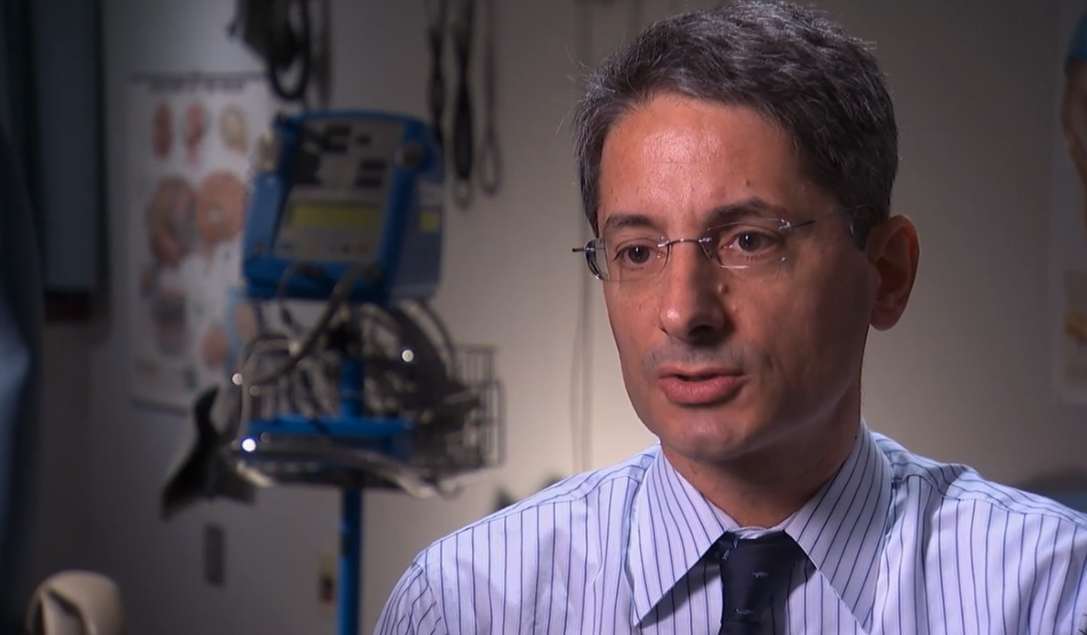
A physician in a striped shirt and tie seated in an exam room during an interview, in a still from My Parkinson's Story: Driving

Episode 778

Living Well With Parkinson's

Episode 778 presents two films from My Parkinson’s Story, a series of short videos from the VA’s Parkinson’s Disease Research, Education and Clinical Centers (PADRECCs), in which veterans share their own experience of living with Parkinson’s disease. Driving takes on one of the hardest questions families face: how Parkinson’s can affect the skills needed to drive safely, and how to keep independence while protecting everyone on the road. Exercise shows why staying active matters, since regular movement helps strength, balance, flexibility, and mood.

Why this show matters

For veterans and families, the program offers practical guidance from people who are living with the disease. For VA partners, neurologists, therapists, veterans’ organizations, broadcasters, sponsors, and funders, it shows how veterans’ own stories can move viewers toward care. Vietnam-era veterans exposed to Agent Orange who develop Parkinson’s may be eligible for VA benefits.

Explore this in Timecyclopedia

In this program

  • My Parkinson's Story Driving
  • My Parkinson's Story Exercise
Sound Tips™ Companion

During this broadcast, the Sound Tips™ ticker connects Parkinson’s disease and hearing. A 2024 JAMA Neurology study of nearly 3.6 million U.S. veterans with hearing tests, led by researchers from OHSU and VA Portland, found that hearing loss was linked to a higher risk of later developing Parkinson’s, and the risk rose with more severe hearing loss. Veterans fitted with hearing aids within two years of a hearing-loss diagnosis appeared to have lower risk, though the study shows a link rather than proof of cause. Parkinson’s can also make a person’s voice softer and flatter, so conversations get harder on both sides when hearing loss is involved. Tips: get your hearing tested and wear hearing aids if they are recommended; ask about speech therapy for a soft voice; face each other and reduce background noise when talking; stay active, because exercise is part of Parkinson’s treatment; and talk openly with your care team and family about when it is time for a driving evaluation.

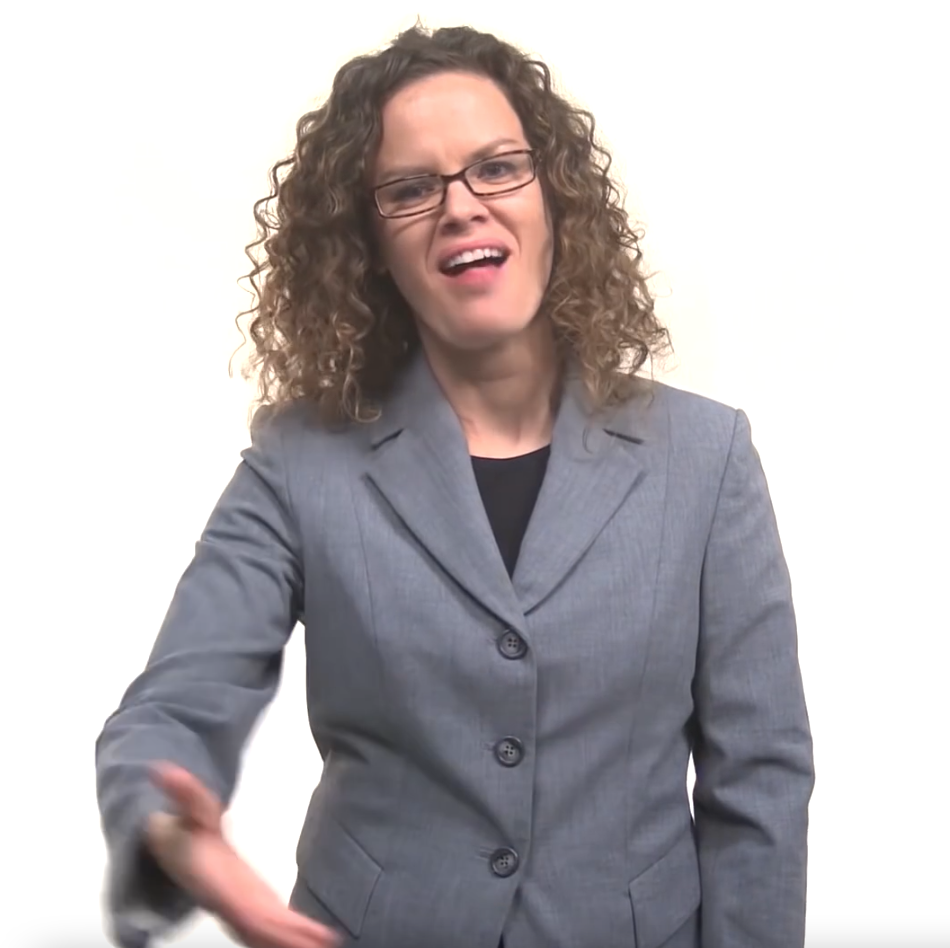
A woman in a gray blazer signing toward the viewer in American Sign Language against a light background, in a still from Finding Your Path to Employment with Ticket to Work in American Sign Language

Episode 779

A Path to Work, in American Sign Language

Episode 779 is about work, independence, and access. Finding Your Path to Employment with Ticket to Work in American Sign Language, from the Social Security Administration, explains the Ticket to Work program directly in ASL for people who are deaf or hard of hearing. Ticket to Work is a free, voluntary program for people ages 18 through 64 who receive Social Security disability benefits (SSDI or SSI) and want to work. It connects them with employment services, job training, and support, and shows them how to use the Find Help tool at choosework.ssa.gov. Presenting the information in ASL means deaf viewers get it in their own language, without depending on captions or a hearing go-between.

Why this show matters

For deaf and hard-of-hearing viewers and their families, the program opens a clear path toward a paycheck and independence. For employers, vocational rehabilitation agencies, disability advocates, broadcasters, sponsors, and funders, it shows the value of reaching people in their own language.

Explore this in Timecyclopedia

In this program

  • Finding Your Path to Employment with Ticket to Work in American Sign Language
Sound Tips™ Companion

During this broadcast, the Sound Tips™ ticker focuses on hearing loss in the workplace. Under the Americans with Disabilities Act, employers with 15 or more employees generally cannot discriminate against qualified workers or job applicants because of hearing loss, and they must provide reasonable accommodations unless doing so would cause undue hardship. Common accommodations include sign language interpreters, captioning (CART) for meetings, written communication, amplified or captioned phones, visual or vibrating alarms, and quiet workspaces. You choose whether and when to tell an employer about your hearing loss. The Job Accommodation Network (askjan.org) offers free, confidential guidance for both workers and employers. Tips: know your rights before an interview; ask for accommodations in writing; and protect the hearing you have, because loud noise at work can cause permanent, preventable hearing loss, so wear hearing protection. Social Security beneficiaries can explore work without automatically losing benefits: Ticket to Work and work incentives are explained at choosework.ssa.gov.

Earth seen from space with North and Central America at its center, in a still from Climate Change Could Affect Global Agriculture Within 10 Years

Episode 780

NASA's Evidence: Climate, Oceans, and Our Future

Episode 780 brings NASA's climate science to the AATV audience in six segments drawn from the agency's own productions. A NASA Goddard study shows how climate change could reshape global agriculture within a decade — corn yields down as much as 24 percent by 2030 while wheat yields could rise 17 percent. Two ocean segments explain why the sea is the driving force behind weather and climate, and a NASA visualization of UN IPCC data projects how temperature and precipitation patterns shift through the year 2100. The program closes with NASA's work helping cities like New York and Rio de Janeiro prepare for climate-related catastrophes, and a look at the fleet of satellites behind the U.S. National Climate Assessment.

Why this show matters

For viewers, this is the space agency's own evidence, explained plainly. For educators, public health partners, emergency planners, broadcasters, sponsors, and funders, it shows AATV connecting world-class science to the health and safety of the communities it serves.

Explore this in Timecyclopedia

In this program

  • Climate Change Could Affect Global Agriculture Within 10 Years
  • NASA Earth Science Week Climate Change & The Global Ocean
  • NASA IPCC Projections of Temperature and Precipitation in the 21st Century
  • NASA The Ocean A Driving Force for Weather and Climate
  • NASA's Climate Change Data Key To Preparing Cities For Possible Catastrophes Video
  • NASA's Fleet of Satellites Help Understand Climate Change on This Week @NASA
Sound Tips™ Companion

Climate change is a health story, and some of its effects reach the ears. Extreme heat is among the deadliest weather hazards — the World Health Organization estimates roughly 489,000 heat-related deaths worldwide each year — and heat-related deaths among people over 65 rose about 85 percent between the early 2000s and 2021. Severe dehydration can reduce blood flow to the inner ear and has been linked to sudden sensorineural hearing loss, so drink water and take heat warnings seriously. Long-term exposure to air pollutants such as nitrogen dioxide and carbon monoxide is associated with a higher risk of sensorineural hearing loss, and wildfire smoke carries fine particles and chemicals recognized as environmental ototoxicants. Climate shifts are also expanding the range of infectious diseases; bacterial meningitis, which leaves 1 in 5 survivors with severe complications including permanent hearing loss, spreads more easily during disasters. And noise itself is an environmental health burden — traffic noise alone costs Western Europe at least one million healthy life years every year. If you or someone you love has hearing loss, prepare before the emergency: use a NOAA Weather Radio with strobe light or bed-shaker alerts, keep hearing aids and cochlear implant processors in one easy-to-find place, and carry paper, pens, or communication cards in your emergency kit.

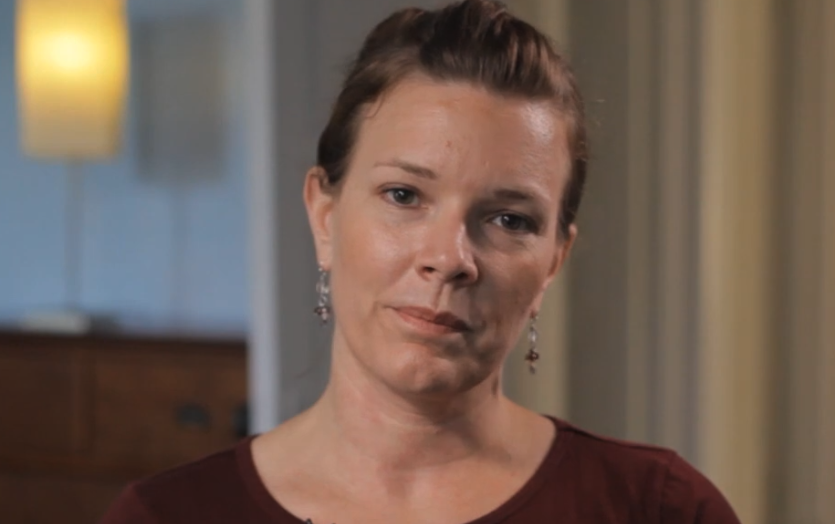
CPT Sarah Humphries, a woman in a dark red top, seated for an interview in a home setting, in a still from About PTSD symptoms — AboutFace, VA National Center for PTSD

Episode 781

Understanding PTSD — and the Treatments That Work

Episode 781 is a full half-hour on posttraumatic stress disorder, built entirely from the U.S. Department of Veterans Affairs' own productions. Three veterans from the VA National Center for PTSD's AboutFace project tell it in their own words: Captain Sarah C. Humphries on the emotional numbness that made her withdraw from her family, Edward J. Fair on how PTSD sneaks up on you like a ghost in the night, and Timm Lovitt on why driving became one of his biggest triggers. From there the program moves to what works: a whiteboard explainer on what PTSD is, a step-by-step look at Cognitive Processing Therapy, the PTSD Treatment Decision Aid that helps veterans compare proven treatments, and an introduction to the free PTSD Coach app. Two segments walk veterans through the VA claim exam process, and two more show recovery in motion — golf helping veterans manage symptoms, and recreation therapy helping an IED blast survivor find his calling.

Why this show matters

For veterans and families, the message is that treatment works and help is free. For VA partners, veterans' organizations, healthcare providers, broadcasters, sponsors, and funders, this episode is AATV's mission at full strength: a half-hour that can change — and possibly save — a life.

Explore this in Timecyclopedia

In this program

  • About PTSD symptoms I pretty much alienated myself from everyone... CPT Sarah C. Humphries
  • About PTSD symptoms It sneaks up on you like a ghost in the night. Veteran Edward J. Fair
  • About PTSD symptoms One of my big triggers is driving. Veteran Timm Lovitt
  • AboutFace Learn about PTSD and how treatment can turn your life around
  • Cognitive Processing Therapy for PTSD
  • Golf helps Veterans with PTSD deal with symptoms
  • Introduction to the PTSD Coach app
  • PTSD Treatment Decision Aid
  • Tips to Prepare for Your VA Claim Exam
  • VA Claim Exams Psychological
  • VA rec therapy helped this IED blast survivor cope with PTSD and find his calling
  • What is PTSD (Whiteboard Video)
Sound Tips™ Companion

PTSD is treatable, and the treatments with the strongest evidence are trauma-focused psychotherapies. The VA/DoD Clinical Practice Guideline recommends Cognitive Processing Therapy, Prolonged Exposure, and EMDR as the most effective PTSD treatments — they produce greater improvement than medications, and the improvement lasts longer. For those who prefer medication, paroxetine, sertraline, and venlafaxine have the strongest support. Sleep is often the first casualty: insomnia is reported by 90 to 100 percent of Vietnam-era veterans with PTSD, and 92 percent of active duty personnel with PTSD report clinically significant insomnia, compared with 28 percent without PTSD. Nearly half of people with lifetime PTSD — 44.6 percent — also meet criteria for an alcohol or substance use disorder; veterans with PTSD are twice as likely to have an alcohol use disorder and three times as likely to have a drug use disorder. Free help is close at hand: the PTSD Coach app offers symptom tracking and coping tools, AboutFace shares unscripted veteran stories, and the PTSD Family Coach app supports loved ones. Families can help by learning about PTSD, offering to join doctor visits, and planning low-stress time together. Recreation counts too — PGA HOPE, the only adaptive golf program with a formal VA agreement, serves more than 4,500 veterans a year. And if you have a VA claim exam coming, know that it is based on DSM-5 criteria and conducted by board-certified psychiatrists or licensed psychologists — go prepared to describe your symptoms honestly.

Earth seen through the seven windows of the International Space Station's Cupola observation module, with a solar array in view, in a still from International Space Station: Humanity's Lab in Space

Episode 782

Aboard the Space Station: Loud, Weightless, Remarkable

Episode 782 takes viewers aboard the International Space Station through three NASA productions — and one astronaut ties them together. Meet Suni Williams, Pilot of NASA's Boeing Crew Flight Test introduces Sunita Williams as she prepared for the first crewed flight of Boeing's Starliner spacecraft. International Space Station: Humanity's Lab in Space, narrated by Adam Savage, surveys the station as a powerhouse of cutting-edge science and international cooperation. And in Departing Space Station Commander Provides Tour of Orbital Laboratory, it is Williams herself — filmed in 2012, just hours before she left the station at the end of Expedition 33 — who walks viewers through the modules of the orbiting laboratory she commanded.

Why this show matters

For viewers, it is a rare first-person look at living and working in space. For schools, science centers, museums, broadcasters, sponsors, and funders, it shows AATV bringing NASA's own storytelling — and one of America's most accomplished astronauts — to a broadcast devoted to accessibility.

Explore this in Timecyclopedia

In this program

  • Meet Suni Williams, Pilot of NASA’s Boeing Crew Flight Test
  • International Space Station Humanity’s Lab in Space (Narrated by Adam Savage)
  • Departing Space Station Commander Provides Tour of Orbital Laboratory
Sound Tips™ Companion

Life in space is loud — and astronauts can't walk away from it. The International Space Station hums with ventilation fans, pumps, and machinery around the clock; measured background levels inside its modules run about 56 to 69 decibels, and crews live with that sound every hour of every day for missions lasting six months or more, because the life-support systems that keep them breathing never shut off. Close quarters make it worse — there is no quiet room, and NASA reports that since 2008 more than a third of crew noise measurements have exceeded the agency's strict flight-rule limits. NASA fights back: every piece of equipment is acoustically tested before it flies, quiet fans and sound-absorbing barriers dampen the noisiest hardware, alarms must stand out at least 20 decibels above the cabin noise, crew members wear acoustic monitors to track their daily exposure, and they even take hearing tests aboard the station. Weightlessness adds a quieter challenge: without gravity pulling body fluids toward the legs, blood and fluid shift toward the head, and NASA studies have found low-frequency hearing shifts of up to 10 decibels in some crew members — possibly linked to pressure changes in the inner ear. On the ground, the same physics applies: sound at or above 85 decibels — about the level of heavy city traffic — can damage hearing with long or repeated exposure, and noise-induced hearing loss is permanent but almost entirely preventable. The World Health Organization estimates more than a billion young people worldwide risk hearing damage from unsafe listening, especially through earbuds and headphones. A few habits protect your hearing for a lifetime: keep personal audio at no more than 60 percent of maximum volume for no more than 60 minutes at a time, move away from loud sound sources when you can, and carry earplugs for concerts, power tools, and loud events. If you notice ringing in your ears or trouble following conversation in a noisy room, treat it as an early warning and ask for a hearing check — the same vigilance NASA applies 250 miles above the Earth works just as well in your living room.

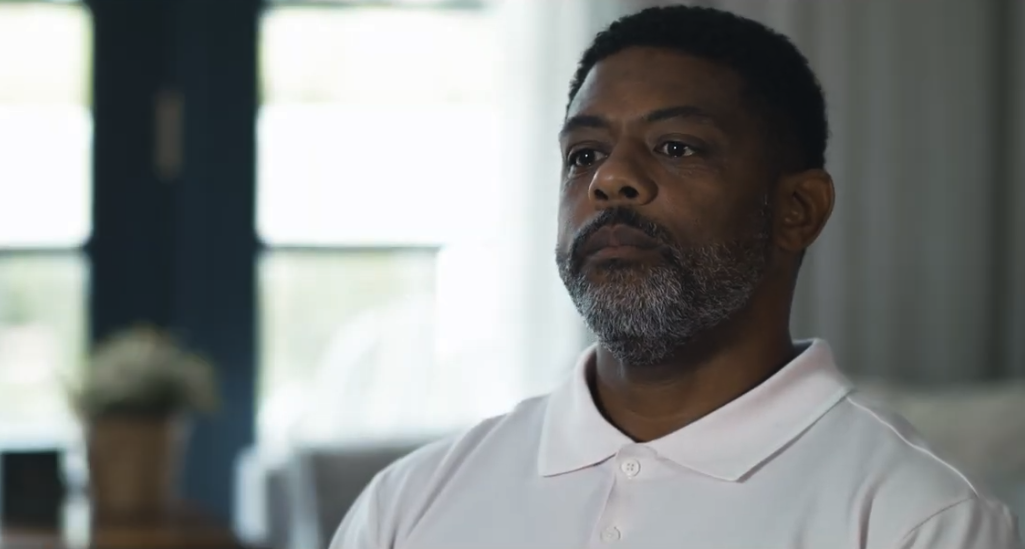
A father in a white polo shirt listening thoughtfully during an interview about his child's sickle cell diagnosis, in a still from A Sickle Cell Anemia Diagnosis

Episode 783

Sickle Cell Has Many Faces

Seven segments trace sickle cell disease from a newborn's diagnosis to the frontier of a cure. The CDC's newborn screening film follows parents learning their child has sickle cell and what comes next; a plain-language overview explains how crescent-shaped red blood cells block vessels and cause pain crises and anemia; and the CDC's Beyond the Data conversation with Dr. Phoebe Thorpe shows how those cells damage blood vessels and organs throughout the body. Living with and Managing Sickle Cell Disease centers patients like Tiffany, who shares how she copes with symptoms and the mental health journey of the disease, while Sickle Cell Has Many Faces dispels the myth that it touches only African Americans — it also affects people of Hispanic, South Asian, Middle Eastern, and Southern European descent. Two NIH/NHLBI segments close the half-hour with the research horizon: genomics, better care for patients outside major centers, and the path toward curative therapies.

Why this show matters

For viewers and families, the program moves from understanding to daily management to hope; for hospitals, hematologists, community health partners, broadcasters, sponsors, and funders, it shows how one broadcast can carry trusted federal science to the communities this disease touches most.

Explore this in Timecyclopedia

In this program

  • A Sickle Cell Anemia Diagnosis
  • Advancing Sickle Cell Disease Research
  • Beyond the Data – Improving the Lives of People with Sickle Cell Disease
  • Living with and Managing Sickle Cell Disease
  • Sickle Cell Disease What You Need to Know
  • Sickle Cell Has Many Faces
  • Vision for the Future of Sickle Cell Disease Research
Sound Tips™ Companion

During this broadcast, Sound Tips™ shares what sickle cell disease can mean for hearing — a connection few families ever hear about. Sickle cell disease affects about 100,000 Americans, occurring in roughly 1 in 365 Black or African-American births and 1 in 16,300 Hispanic-American births, and about 1 in 13 Black babies is born with sickle cell trait. Research shows adults with sickle cell face about six times the risk of sensorineural hearing loss, and children about three times — the same vaso-occlusion that causes pain crises can starve the cochlea of oxygen, sometimes causing sudden hearing loss that doctors describe as an inner ear stroke. Some treatments carry their own risk: the iron chelator deferoxamine has been linked to hearing loss in a substantial share of transfusion-dependent patients, so regular hearing tests belong in every sickle cell care plan. The ticker also shares daily management guidance: drink plenty of water, avoid extreme heat and cold, keep vaccinations current, wash hands often to prevent infection, and see a hematologist regularly. Newborn screening for sickle cell now happens in every state — early diagnosis saves lives. And because sickle cell has many faces, families of every background should know the signs.

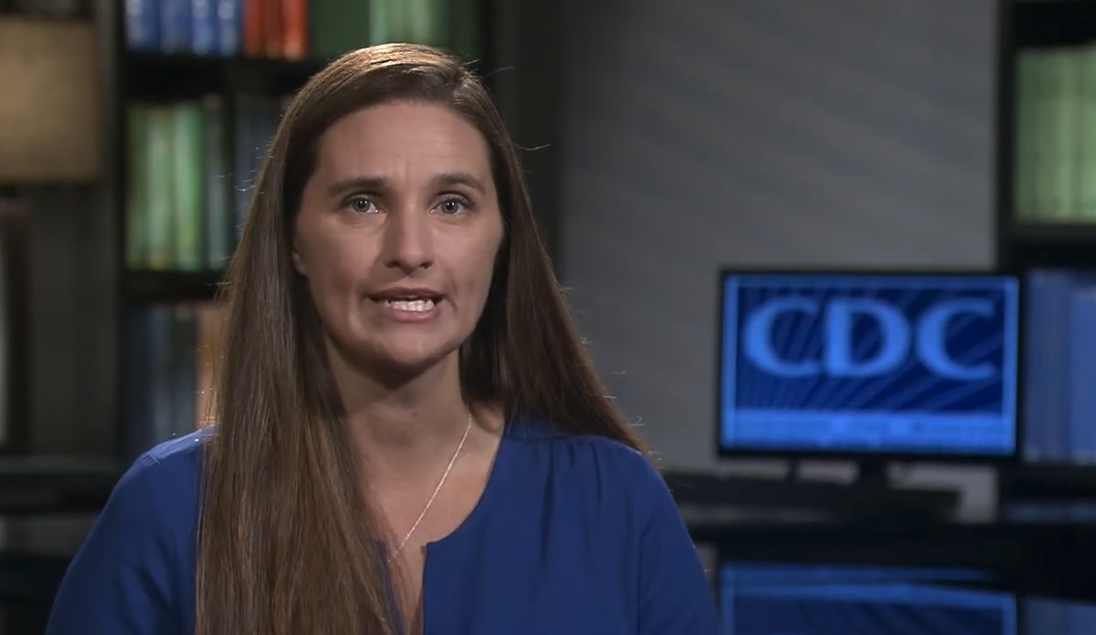
A CDC public health expert in a blue top speaking in a studio with bookshelves and a screen showing the CDC logo behind her, in a still from A National Profile of ADHD Diagnosis and Treatment among U.S. Children Aged 2-5 Years

Episode 784

The Brain Explained: ADHD and Mental Health

Eight segments from the National Institute of Mental Health and the Journal of Developmental & Behavioral Pediatrics span mental health from the youngest children to adults. A video abstract of the CDC-led national study examines how ADHD is diagnosed and treated in children ages 2 to 5; NIMH researchers lay out ADHD's signs, symptoms, and the science behind it; and two Discover NIMH features go inside the research frontier — fast-acting ketamine-based treatment for depression that resists other medications, and efforts to personalize brain stimulation therapies like ECT and TMS. Three animated Jane the Brain episodes give children practical emotional skills: box breathing for stress, what to do with the frustration sensation, and the upset reset for sadness when a friend moves away. A Mental Health Minute closes the half-hour with anxiety disorders in adults.

Why this show matters

For families, the program turns brain science into skills a child can use tonight; for pediatricians, educators, mental health providers, broadcasters, sponsors, and funders, it shows how one broadcast can carry NIMH's science to every living room.

Explore this in Timecyclopedia

In this program

  • A National Profile of ADHD Diagnosis and Treatment among U.S. Children Aged 2-5 Years
  • ADHD Signs, Symptoms, Research
  • Discover NIMH Drug Discovery and Development
  • Discover NIMH Personalized and Targeted Brain Stimulation Therapies
  • Episode 1 Jane the Brain and the Stress Mess(1)
  • Episode 2 Jane the Brain and the Frustration Sensation
  • Episode 3 Jane the Brain and the Upset Reset
  • Mental Health Minute Anxiety Disorders in Adults
Sound Tips™ Companion

During this broadcast, Sound Tips™ shares the hearing connection hiding inside attention problems. About 11.4% of U.S. children — 7.1 million — have received an ADHD diagnosis, and an estimated 15.5 million adults live with one. But the CDC cautions that a child who seems not to listen, ignores their name, or doesn't follow directions may actually have an undetected hearing loss — behaviors easily mistaken for not paying attention. Auditory processing disorder, where the ears hear but the brain struggles to make sense of speech, can also look exactly like ADHD, and the two can occur together. That's why a hearing evaluation belongs in every attention or behavior workup before a diagnosis is finalized. The ticker also notes that adults with tinnitus report anxiety at nearly three times the rate of those without it — ringing ears and an anxious mind often travel together, and treating one can ease the other. Parents are offered simple signs to watch: a child who constantly says "huh?", struggles most in background noise, or turns the TV up loud may need their hearing checked, while attention that falters even in quiet points a different direction. And for viewers whose children use Jane the Brain's calming skills, the message is the same: understanding what a child is really experiencing is the first step to helping them.

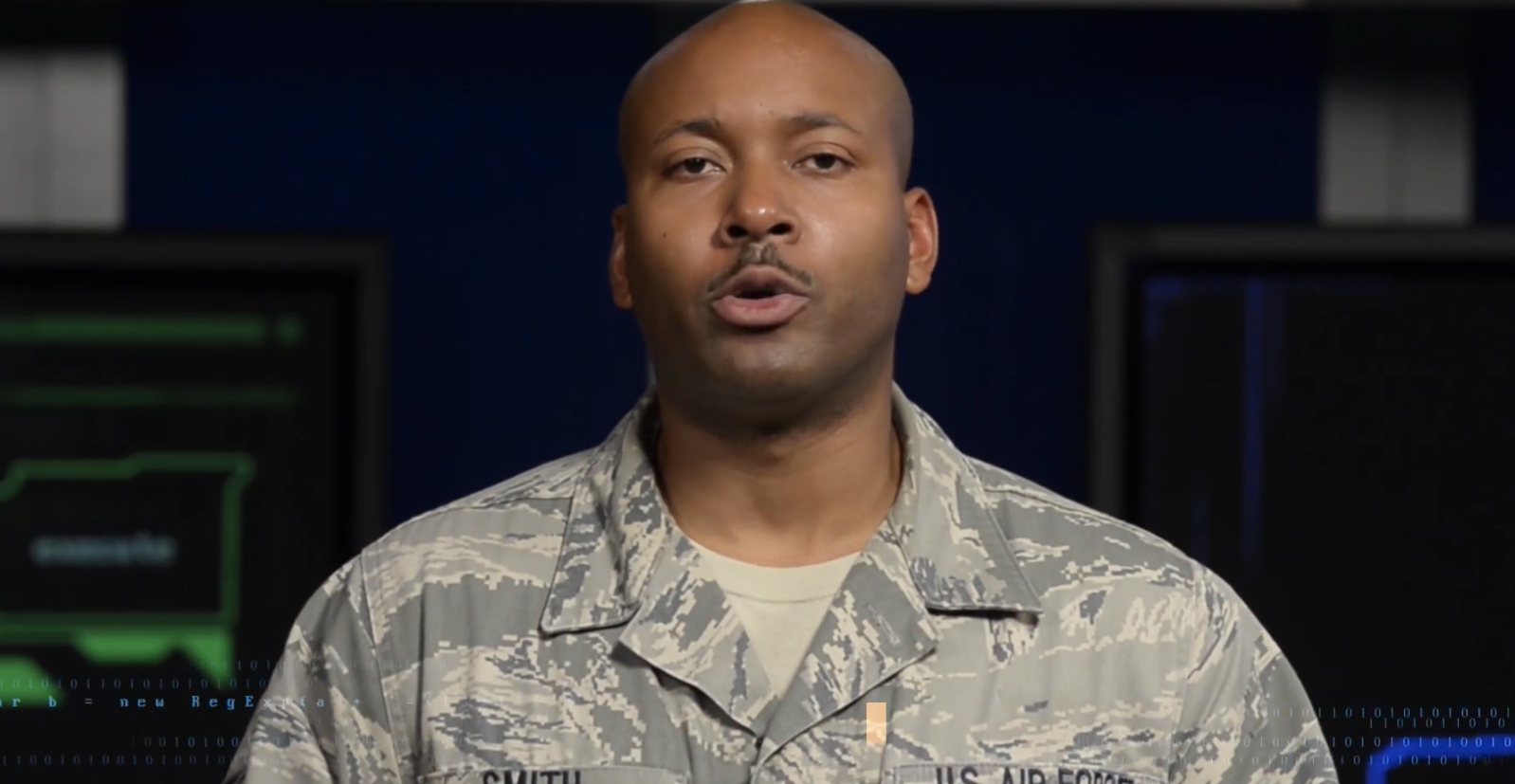
An airman with a Smith name tape and U.S. Air Force uniform speaking in a cyber studio with code graphics behind him, in a still from the U.S. Air Force BLUE series film The Cyber Shield

Episode 785

Above and Beyond: Inside Today's Air Force

Episode 785 goes inside the U.S. Air Force through BLUE, the service's flagship television program from Air Force TV and the Defense Media Activity. The Cyber Shield (2017) introduces the Airmen who protect the computers behind everything from GPS to advanced aircraft and weapons systems against hacking and ransomware. Testing the Minuteman visits the Airmen responsible for keeping America's Intercontinental Ballistic Missile fleet ready at a moment's notice. Life Cycle of an Airman follows an Air Force career from recruitment to retirement. The half-hour closes behind the camera with the making of Own the Sky, the 2022 Air Force commercial filmed at Edwards Air Force Base, California, featuring fifth-generation fighters and their pilots.

Why this show matters

For viewers, the program honors the skill and service of today's Airmen. For veterans' organizations, military families, recruiters, healthcare partners, broadcasters, sponsors, and funders, it opens a conversation about the demands of military service — and the hearing health that service can cost.

Explore this in Timecyclopedia

In this program

  • BLUE Episode 21 The Cyber Shield
  • BLUE Episode 22 Testing the Minuteman
  • BLUE Episode 25 Life Cycle of an Airman
  • U. S. Air Force Making of Own the Sky
Sound Tips™ Companion

Military service is loud. Jet engines, flight lines, weapons, generators, and vehicles expose Airmen to hazardous noise, and deployments add dust and debris that make hearing protection harder to wear well. According to the Department of Defense, hearing loss and tinnitus — a ringing, buzzing, or whistling in the ears — are among the top three reasons for VA disability compensation claims. Noise is the main cause: years of repeated unprotected exposure, or even one unprotected blast of extremely loud sound. The Air Force runs a Hearing Conservation Program with regular hearing tests for Airmen in noisy jobs, and Defense Department policy now requires hearing-protector fit testing for personnel with high noise exposure, because protection only works when it fits. Sound Tips™ for service members, veterans, and families: wear earplugs or earmuffs every time around loud equipment, on or off duty; ask for a fit test; get hearing checked regularly and report ringing or muffled hearing right away; and veterans with hearing loss or tinnitus can seek care and benefits through the VA.

CDC Public Health Grand Rounds title card reading Beyond the Data, over a health care provider's open hands, in a still from Beyond the Blood Spot: Newborn Screening for Hearing Loss and Critical Congenital Heart Disease

Episode 786

Early Answers: Newborn Screening Saves Lives

Episode 786 is about the first days of life and the answers that come from checking early. It opens with Beyond the Blood Spot, from CDC's Public Health Grand Rounds (September 2016), on the bedside newborn tests for hearing loss and critical congenital heart disease that a blood test cannot catch, and on how states run and track them. Two short explainers answer what a birth defect is and what causes birth defects, and a segment on congenital heart defects covers the most common of them. In Lived Experiences with Fetal Alcohol Spectrum Disorders, from CDC's video series, Rebecca Tillou describes a childhood of constant ear infections and illness, school and graduate-school struggles, and finally getting diagnosed at 34 — a lifelong, often invisible disability linked to alcohol before birth. Newborn Screening: A Path to Earlier Answers closes the half-hour.

Why this show matters

For parents and parents-to-be, the message is simple: screening is quick, and early answers change lives. For hospitals, pediatricians, public health partners, broadcasters, sponsors, and funders, the program shows why newborn screening and early follow-up deserve support in every community.

Explore this in Timecyclopedia

In this program

  • Beyond the Blood Spot Newborn Screening for Hearing Loss and Critical Congenital Heart Disease
  • Birth Defects - What Causes Birth Defects
  • Birth Defects - What is a Birth Defect
  • Congenital Heart Defects (CHDs)
  • Lived Experiences with Fetal Alcohol Spectrum Disorders Rebecca
  • Newborn Screening A Path to Earlier Answers
Sound Tips™ Companion

Every newborn should have a hearing screening before leaving the hospital. About 2 to 3 of every 1,000 U.S. babies are born with detectable hearing loss, and follow the 1-3-6 guideline: screen by 1 month, complete a diagnosis by 3 months, and begin early intervention by 6 months. If a baby does not pass the screening, go to the follow-up test — a missed screen is not a diagnosis, but it should never be skipped. Heart defects are the most common birth defect, affecting nearly 1 in 100 births, about 40,000 babies a year; about 1 in 4 of them is critical. A simple, painless pulse-oximetry test after 24 hours of age can find critical heart defects, and mandated screening has cut early infant deaths from them by about a third. Birth defects affect about 1 in 33 U.S. babies. Some can be prevented: there is no known safe amount of alcohol during pregnancy, and fetal alcohol spectrum disorders last a lifetime and can include hearing problems. Tips for families: ask for your baby's screening results before discharge, keep every follow-up appointment, watch whether your baby startles at loud sounds and turns toward voices, and treat repeated ear infections promptly.

A man doing push-ups on outdoor exercise bars beside a riverfront trail, with cyclists and joggers passing, in a still from the CDC film A National Movement to Reduce Obesity and Tobacco Use

Episode 787

Healthy Communities: Prevention Where We Live

Episode 787 is about making the healthy choice the easier choice. It opens with the national picture from CDC's Communities Putting Prevention to Work, the 2010–2012 program that helped 50 communities, home to more than 50 million Americans, reduce obesity and tobacco use, two leading preventable causes of death and disability. Two community profiles show the work up close: Los Angeles County, California, bringing healthier food and nutrition education into school meals, and San Antonio, Texas, adding salad bars and healthier places to be active, with extra focus on neighborhoods where childhood obesity runs highest. Three segments then explain what is at stake: obesity in children, managing weight when you live with diabetes, and the link between excess weight and cancer.

Why this show matters

For viewers, the program offers hope and practical steps. For schools, city leaders, health systems, employers, broadcasters, sponsors, and funders, it shows how community action can change a whole city's health, including its hearing health.

Explore this in Timecyclopedia

In this program

  • A National Movement to Reduce Obesity and Tobacco Use
  • Los Angeles County, California -- Obesity
  • Obesity in Children
  • Obesity Management in People With Diabetes
  • Overweight and Obesity are Associated with Cancer
  • San Antonio, Texas -- Obesity Prevention
Sound Tips™ Companion

Weight and hearing are connected. About 4 in 10 U.S. adults and about 1 in 5 children and teens have obesity. Studies of U.S. teenagers found that teens with obesity were about twice as likely to show signs of hearing loss, including early signs of noise damage. A large meta-analysis of adult studies linked obesity with higher odds of hearing loss. These are associations, not proof that weight causes hearing loss; one explanation researchers are studying is that the inner ear depends on healthy blood flow. Diabetes matters too: hearing loss is about twice as common in adults with diabetes, so anyone with diabetes should get hearing checked regularly. Overweight and obesity are also linked to a higher risk of 13 types of cancer. Sound Tips™ for families: eat more vegetables, fruits, and whole grains; choose water over sugary drinks; aim for 60 minutes of activity a day for kids and 150 minutes a week for adults; limit screen time and turn down the headphones while you exercise; and ask your doctor for a hearing check along with your blood sugar and blood pressure.

Title card reading REACH — Racial and Ethnic Approaches to Community Health — Improving Lives, Inspiring Hope, with a map of the United States filled with community portraits, from the CDC film REACH: Improving Lives, Inspiring Hope

Episode 788

REACH: Health Equity in Action

Episode 788 is about health equity: making good health possible in the communities that have had the hardest road to it. It centers on CDC's Racial and Ethnic Approaches to Community Health program, REACH, which began in 1999 and has worked with more than 160 urban, rural, and tribal communities with the highest rates of chronic disease, using locally based, culturally tailored solutions. REACH: Improving Lives, Inspiring Hope and the 2019 REACH 20th Anniversary video show what that work looks like, from healthier food and safer places to be active to smoke-free spaces and links between clinics and neighborhoods. In I Am CDC, Dr. Chastity Walker, DrPH, MPH, shares her own path in public health, and Expanding Media Reach and A Public Health Career for a Lifetime close the half-hour with the people and messages that carry this work forward.

Why this show matters

For viewers, the program says that where you live should not decide how well you live. For community organizations, health systems, universities, broadcasters, sponsors, and funders, it shows that community-led prevention produces measurable results, and it invites young people to consider careers in public health.

Explore this in Timecyclopedia

In this program

  • REACH Improving Lives, Inspiring Hope
  • REACH 20th Anniversary
  • I Am CDC - Chastity Walker
  • Expanding Media Reach
  • A Public Health Career for a Lifetime
Sound Tips™ Companion

Hearing health is an equity issue too. Hearing loss can affect anyone, but access to hearing care is not equal. National studies of older Americans found that Black adults were more likely than white adults to have had a recent hearing test, yet were not more likely to use hearing aids; white adults and people with higher incomes and more education were more likely to use them. Research among Hispanic and Latino older adults has also found low hearing aid use. Cost, insurance coverage, transportation, language, and trust all play a role. The good news: since 2022, the FDA has allowed hearing aids to be sold over the counter without a prescription or exam for adults 18 and older with perceived mild to moderate hearing loss, which can lower cost and make them easier to get. REACH-style solutions apply to hearing too: bring hearing screening to churches, health fairs, and community centers; offer information in people's own languages; train community health workers to recognize hearing loss; and make captions and interpreters standard at every health event. Sound Tips™ for families: get a hearing test, ask about lower-cost options, and remember that treating hearing loss helps you stay connected at work, at home, and in your community.

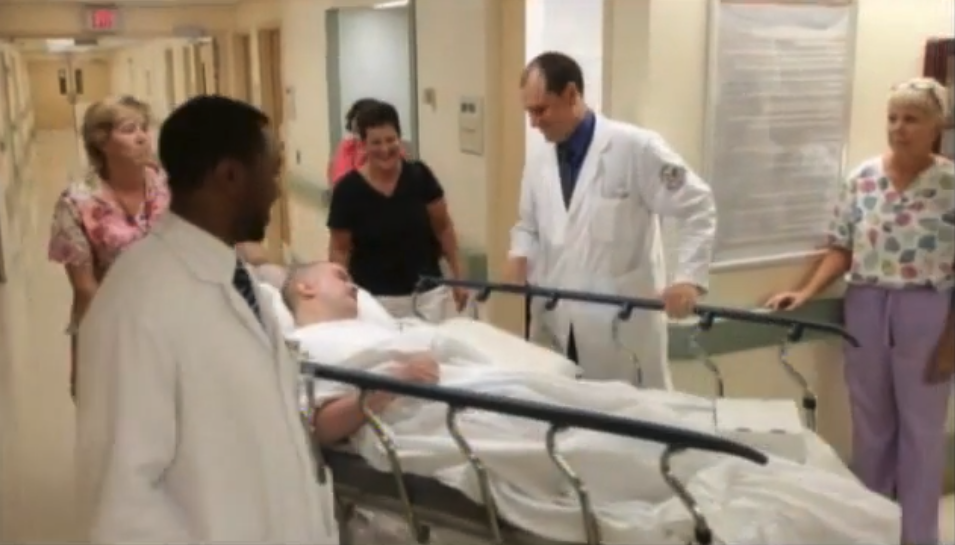
Hospital staff in white coats and scrubs walking alongside a wounded service member on a gurney down a VA medical center corridor, in a still from the VA documentary From Surviving to Thriving

Episode 789

From Surviving to Thriving: A Journey of Recovery

Episode 789 closes Season 18 with a single documentary from the U.S. Department of Veterans Affairs Polytrauma/TBI System of Care. From Surviving to Thriving follows the recovery of Staff Sergeant Benjamin Ricard, who sustained a traumatic brain injury when he was hit by an IED while serving, and shares the story of the Rogers family alongside him. VA clinicians, including Dr. Shane McNamee, chief of Physical Medicine and Rehabilitation at the Richmond VA Medical Center, explain how a coordinated team listens to veterans and families and supports them from surviving the injury to building a full life again.

Why this show matters

For veterans and families, the message is hope: recovery is a journey, and no one has to make it alone. For VA partners, rehabilitation providers, veterans' organizations, broadcasters, sponsors, and funders, the program shows what coordinated, family-centered care makes possible, and it brings the season full circle to the veterans' stories that opened with episode 744.

Explore this in Timecyclopedia

In this program

  • From Surviving to Thriving VA (documentary)
Sound Tips™ Companion

Blasts that injure the brain often injure hearing too. Service members exposed to blasts can develop hearing loss, tinnitus (ringing in the ears), and dizziness or balance problems, and some have trouble understanding speech in noisy places even when a standard hearing test looks normal, because the brain's ability to process sound can be affected. Tinnitus in veterans is closely tied to mental health, and more severe tinnitus goes along with more symptoms of depression, anxiety, and PTSD. Sound Tips™ for veterans and families: after any blast or head injury, ask for a full hearing and balance evaluation, not just a quick screening; tell the care team about ringing, dizziness, or trouble following conversations; reduce background noise, face the speaker, and use captions to make conversations easier; include family members in appointments; and contact VA Audiology to get started with hearing care.

Illustration of an antique compass rose surrounded by white sage and native grasses on aged parchment, marking Columbus Day and Indigenous Peoples' Day

Episode 793

American Abilities Columbus Day

Episode 793 marks Columbus Day by exploring the national conversation around the holiday and Indigenous Peoples' Day. The program follows the movement to change Columbus Day to Indigenous Peoples' Day and its growing approval, revisits a 1960 Mell-O-Toons animation of Christopher Columbus, and shares VOA News and VOA Learning English perspectives on why some celebrate the day and others find it divisive. Sound Tips™ during the broadcast looks at hearing health among Indigenous Peoples — Native Americans, Alaska Natives, and tribal communities from children to adults.

Why this show matters

For viewers and families, the program offers a thoughtful way to understand a holiday many observe in different ways, told accessibly. For educators, tribal and community partners, broadcasters, sponsors, and funders, it continues AATV's holiday tradition of pairing the stories of the season with the hearing-health questions of the people who live them.

Explore this in Timecyclopedia

In this program

  • Changing Columbus Day to Indigenous Peoples' Day Gains National Approval
  • Christopher Columbus (1960) Mell-O-Toons Animation
  • Holiday Honors Indigenous People Instead of Christopher Columbus
  • Learn English with VOA News — Columbus Day: Some Love It, Others Not So Much
  • Understanding Indigenous Peoples' Day — VOA News
  • US Columbus Day Celebration Still Viewed by Many as Divisive
Sound Tips™ Companion

Sound Tips™ for this Columbus Day broadcast looks at hearing health among Indigenous Peoples — Native Americans, Alaska Natives, and tribal communities, from children to adults, including members of the Tongva tribe. Research shows hearing loss affects American Indian and Alaska Native adults more often than non-Hispanic white adults — roughly 6.5% to 10.4% versus 3.7% to 6.7% of adults 45 and older — and hearing loss in these communities often travels with other health concerns. Ear infections and middle-ear disease are a major reason: studies of Native children, from mass surveys on the Navajo Nation to research in rural Alaska and among First Nations school children, have repeatedly found high rates of middle-ear disease and hearing loss — in one First Nations school study, more than 20% of children. Tips for families and tribal communities: treat ear infections early and completely, keep up regular hearing screenings for children and adults, and ask a school, clinic, or Indian Health Service provider for a full hearing evaluation if a child or elder seems to struggle to hear.

Never miss an episode

Watch Sundays at 10 AM ET, or reach out to ask about a program.

Contact the network