
Episode 794
After Two Years: A Conversation with the President
Why watch: Step back to December 1962 for President Kennedy’s landmark “After Two Years” interview — and hear how his hidden Addison’s disease and the era’s hearing technology set the stage for today’s care.
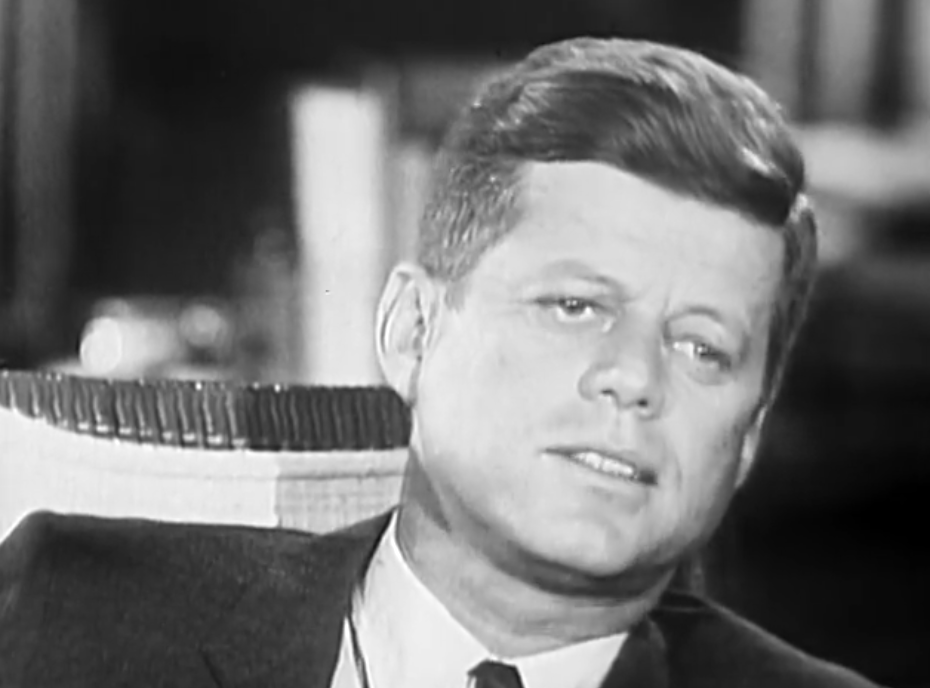
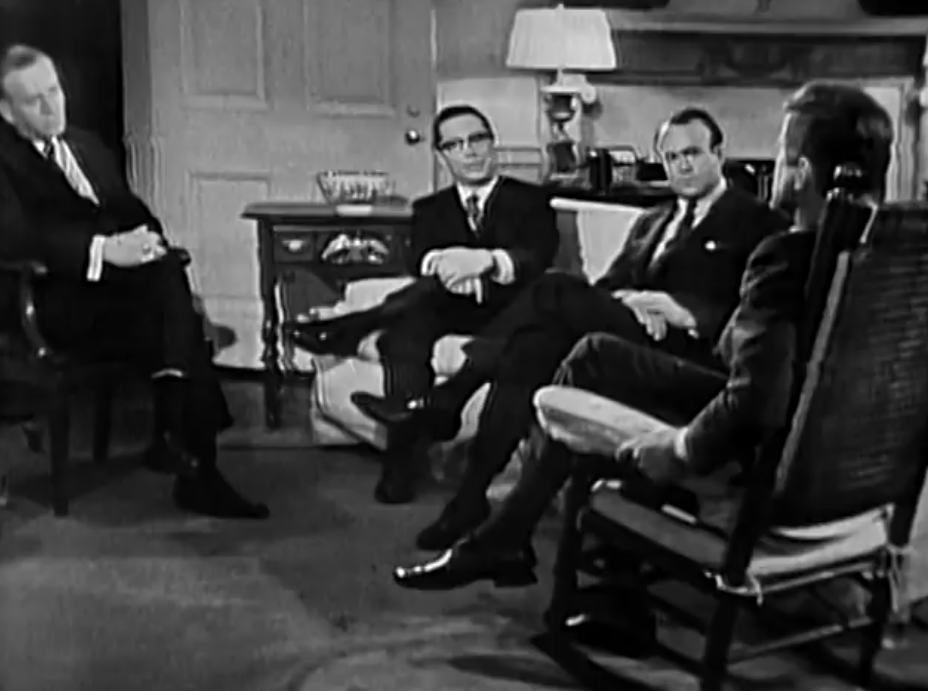
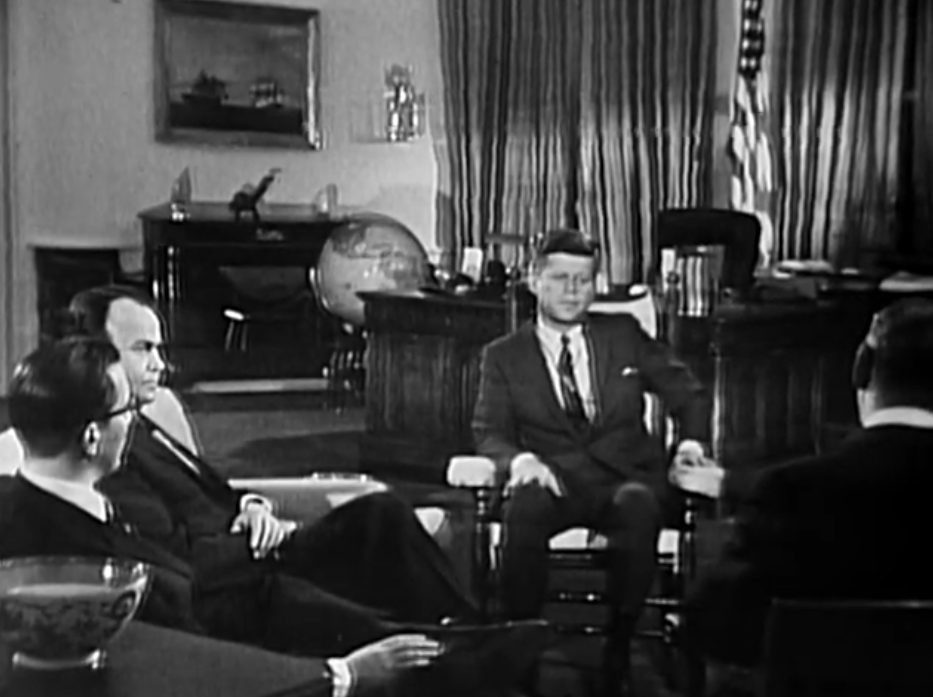
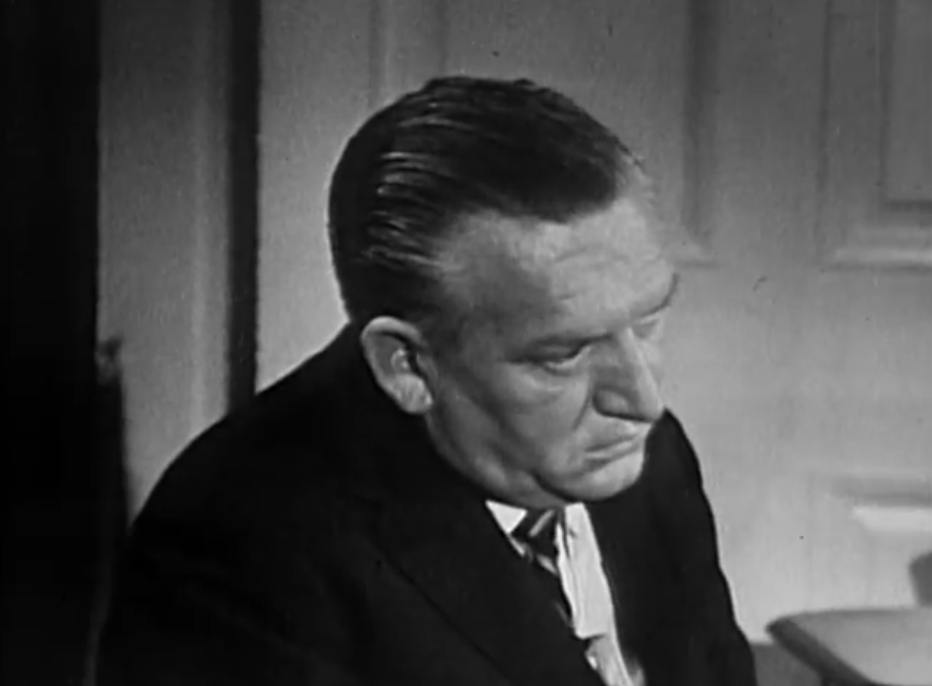
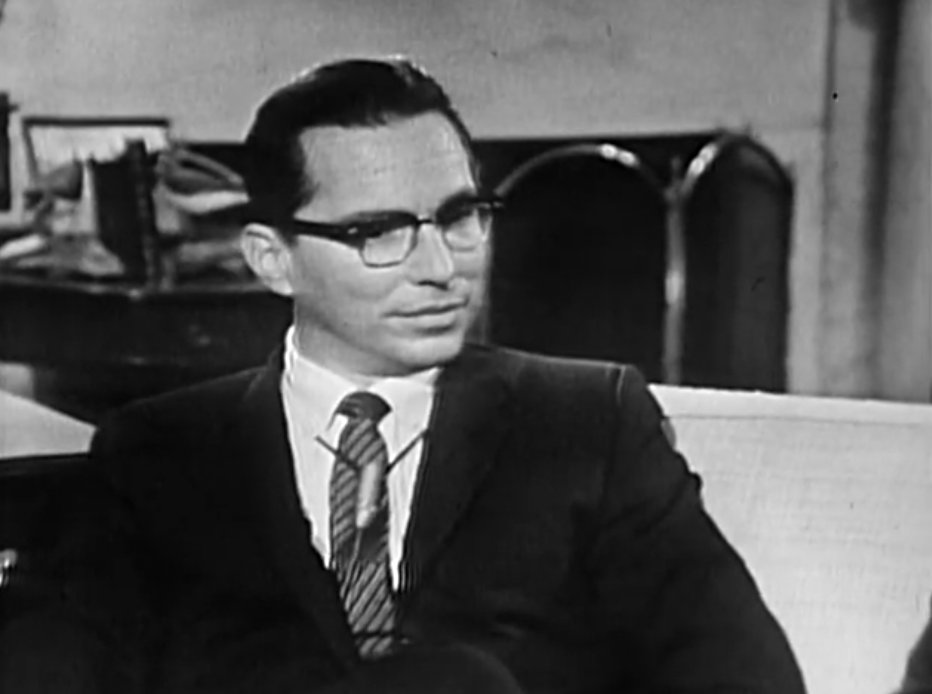
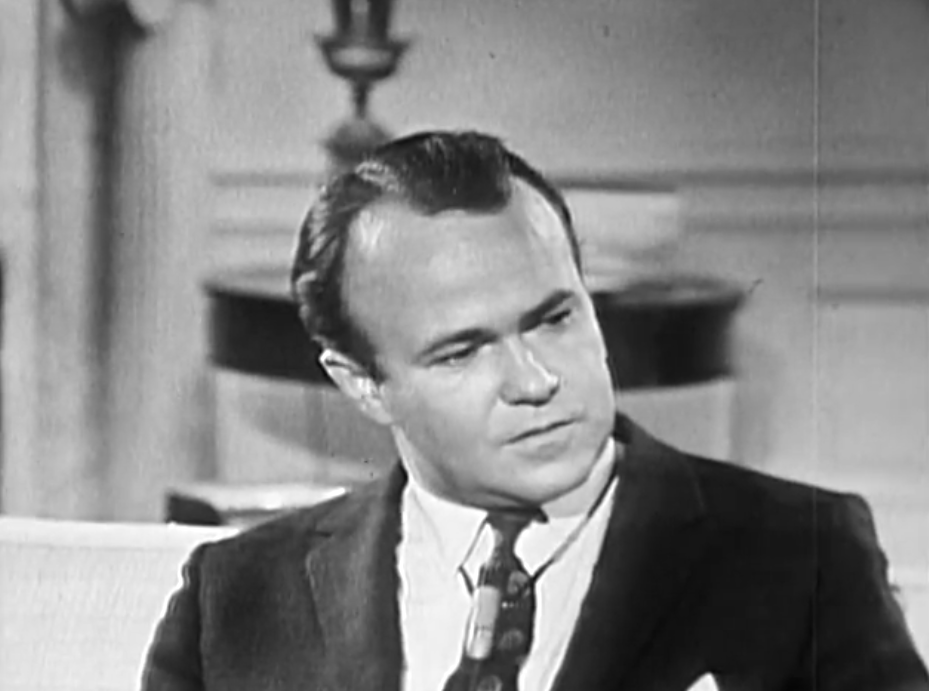
Episode 794 is a historic program: the complete 1962 broadcast "After Two Years: A Conversation with the President," in which President John F. Kennedy reflects on the first two years of his administration. Recorded in the Oval Office on December 16, 1962, and broadcast by ABC, CBS, and NBC on December 17, 1962, the ninety-minute televised and radio interview features White House correspondents Bill Lawrence (ABC), George Herman (CBS), and Sander Vanocur (NBC) asking about the presidency's unexpected burdens and the strict limits on American power to unilaterally fix global problems, the Cuban Missile Crisis and U.S.–Soviet relations, passing legislation through a divided Congress, defense spending and the Skybolt missile cancellation, and the newly created Peace Corps and Alliance for Progress alongside domestic labor and civil rights efforts. Sound Tips™ during the broadcast steps back to 1962 to examine President Kennedy's Addison's disease — concealed from the public and kept in check by the then-new drug cortisone — and the state of hearing loss in that era: transistor hearing aids just coming of age, no newborn hearing screening, no captioned television, the first text telephone built by deaf engineers in 1964, and the research that proved American Sign Language was a real language. For viewers and families, the program is a window on how far medicine, hearing technology, and public awareness have come. For educators, historians, hearing-health partners, broadcasters, sponsors, and funders, it pairs a landmark broadcast with the story of hearing loss, disabilities, and wellness in a different era of awareness. The broadcast is in the public domain, and the stills on this page come from the original December 1962 recording.
In this program
- After Two Years: A Conversation with the President (1962)
- The Presidency: Problems Harder Than Anticipated
- Cuban Missile Crisis and U.S.–Soviet Relations
- Legislation, Defense Spending, and the Skybolt Decision
- Peace Corps, Alliance for Progress, Labor, and Civil Rights
Sound Tips™ Companion
Sound Tips™ steps back to 1962, the era of this broadcast, for a look at health then and now. First, the president's hidden illness: John F. Kennedy lived with Addison's disease, a failure of the adrenal glands, diagnosed in the 1940s and managed with daily cortisone — a drug that only became available in 1949, before which Addison's was usually fatal. His White House medical records, opened to researchers decades later, show how completely he concealed it, and how far endocrine care has come since.
Second, the state of hearing loss in 1962: the transistor, invented in 1947 and first used in a commercial hearing aid in 1952, was transforming hearing aids from body-worn boxes into eyeglass and behind-the-ear styles — eyeglass models alone accounted for roughly half the market by 1959. Yet for severe hearing loss the everyday device was still the body aid, a box amplifier worn in a shirt pocket or chest harness and wired to the earpiece with a conspicuous cord, and it amplified everything equally: sitting in a noisy restaurant or on a busy street, the roar of traffic came through as loudly as the voice across the table. These were entirely analog devices, and the era of non-electric hearing was literally ending — in 1963, F.C. Rein and Son of London, the world's first and last commercial maker of ear trumpets, ceased production. Much else we take for granted did not exist: a child born deaf that year might not be identified until age two and a half, because universal newborn hearing screening did not exist — the 1965 Babbidge Report called for nationwide early identification, and the NIH recommendation to screen every newborn came only in 1993. Deaf viewers had no captioned television: since 1958 the Captioned Films for the Deaf program lent captioned films by mail, and captioned TV arrived only decades later.
The classroom and the law told a similar story. Schools were dominated by oralism — in most institutional and residential schools, American Sign Language was banned, and students could have their hands slapped for signing instead of speaking; because lip-reading is so difficult, deaf students taught only orally often graduated with literacy near a fourth-grade level. Medical options were nearly nonexistent: there were no cochlear implants, and for profound nerve deafness a hearing aid gave little benefit. And there were no disability civil-rights protections — the Americans with Disabilities Act was decades away, and an employer could legally refuse to hire someone simply because they were deaf. Television had no closed captioning, and the telephone had no place for a deaf conversation at all. Two changes already underway would answer both: the text telephone, and a proof that sign language was a real language.
The telephone story is worth telling in full, because deaf people built it themselves. In 1964, Robert H. Weitbrecht, a deaf physicist who had kept in touch with friends for years by amateur radioteletype, fitted a discarded teletypewriter with an acoustic coupler of his own design — a cradle that held the telephone handset and turned each key on the machine into its own audio tone, so an ordinary phone line could carry typed words. Dr. James C. Marsters, a deaf orthodontist in Pasadena, sent Weitbrecht a Teletype Model 32 ASR and asked him to set up a system so the two of them could be reached by phone. In May 1964 the two men carried the first long-distance telephone conversation between two deaf people, from Redwood City to Pasadena, typed in both directions. Nothing about it was easy: the machines spoke in an aging five-level code called Baudot, teletypewriters had to be bought secondhand from companies throwing them away, and every end of a call needed its own machine, which cost six hundred to a thousand dollars as late as the mid-1970s — a fortune for a household. Telephone companies had long barred equipment they had not made, a rule only loosened by the 1956 Hush-A-Phone decision, so as Weitbrecht wrote in 1966, the telephone companies had offered nothing at realistic rates to deaf people and “some of us had to go at it” on our own. He kept refining the modem with Marsters and the deaf engineer Andrew Saks, and the network of TTYs they made possible is the reason a deaf caller could dial a friend and type a conversation at all — decades before text messaging.
Dr. Stokoe's story belongs in the same breath. William C. Stokoe, Jr. — born in New Hampshire, raised in rural New York State near Rochester, and trained in English at Cornell — came to Gallaudet College in 1955 to teach English to deaf students. At the time, the signing of deaf Americans was widely dismissed as a corrupt visual code for spoken English or elaborate pantomime, and it was suppressed in schools in favor of articulation and lip-reading. Stokoe disagreed, and set out to prove it a real language by describing it the way linguists describe a spoken one. His 1960 monograph Sign Language Structure was the first modern linguistic treatment of a signed language: it showed that ASL has its own grammar and that its signs break down into building blocks of handshape, location and movement, the way spoken words break down into sounds. In 1965 he and two deaf Gallaudet colleagues, Carl Croneberg and Dorothy Casterline, published the first ASL dictionary arranged on those linguistic principles rather than on English words — a book in which a sign could be looked up by how it is signed. He went on to found Gallaudet's Linguistic Research Laboratory and the journal Sign Language Studies, spending decades pressing a point that sounds obvious now and did not in 1960: a language your hands can speak is still a language. The recognition that followed changed how deaf children are taught, and it began with a teacher from near Rochester who took his students' signing seriously.
Today's newborn screening, captions on every screen, telephones deaf callers can use, and legal access to work and school all exist because awareness grew — and hearing health still improves when it is talked about openly.
- Source: Endocrine and Autoimmune Aspects of the Health History of John F. Kennedy (Annals of Internal Medicine, 2009)
- Source: Concealed Hearing Devices of the 20th Century (Becker Medical Library, Washington University)
- Source: The First BTE Hearing Aids? A Historical Look at 1950s Behind-the-Ear Devices (Hearing Health & Technology Matters)
- Source: Captioning for Deaf People: An Historical Overview (Described and Captioned Media Program)
- Source: Historical Moments in Newborn Hearing Screening (CDC)
- Source: Sign Language Structure: An Outline of the Visual Communication Systems of the American Deaf (William C. Stokoe, 1960)
- Source: How TTYs Made Telephones Accessible to the Deaf (Gallaudet University Museum)
- Source: The Americans with Disabilities Act of 1990 (ADA.gov)
- Source: Robert H. Weitbrecht and James C. Marsters TTY Modem Collection (RIT Distinctive Collections)
- Source: Telecommunications Access Milestones: The TTY Network Is Born, 1964 (The Disability Inventory)
- Source: Development of the TTY, Part I (Robert Traynor, Hearing Health & Technology Matters, 2016)
- Source: William C. Stokoe, Jr.: Founder of Sign Language Linguistics (Gallaudet University Press memorial)
Watch American Abilities: Sundays 10 AM ET · CW-WHAM Spectrum 16/1212 · WHAMDT2 (CW) 13.2 On the Air · DirecTV Ch. 14