
Episode 784
The Brain Explained: ADHD and Mental Health
Why watch: Eight segments from the National Institute of Mental Health and the Journal of Developmental & Behavioral Pediatrics span mental health from the youngest children to adults.
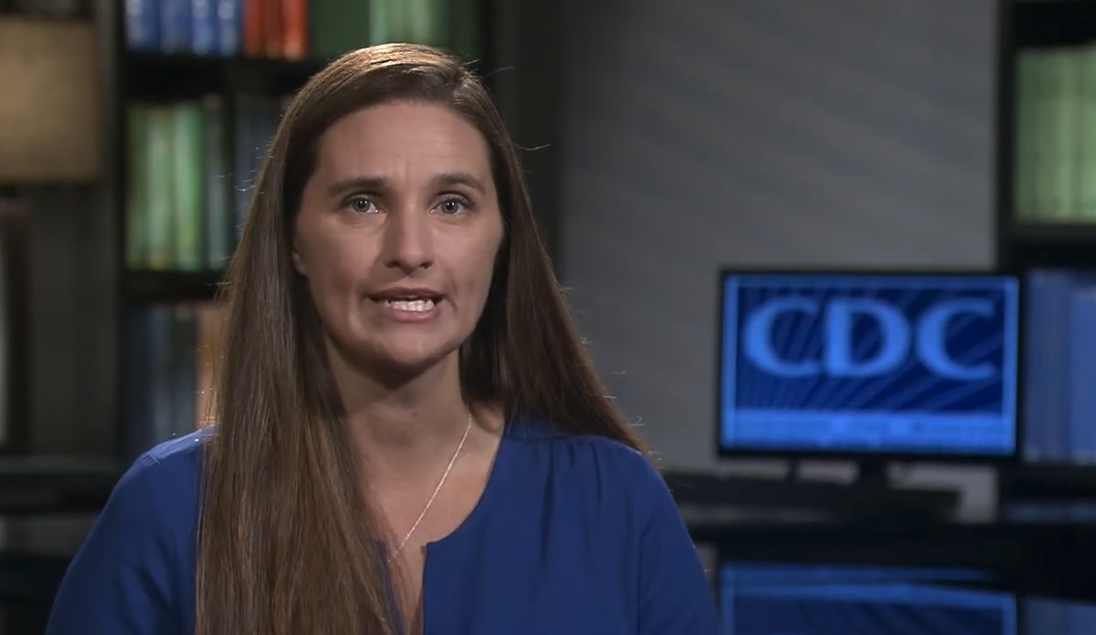
Eight segments from the National Institute of Mental Health and the Journal of Developmental & Behavioral Pediatrics span mental health from the youngest children to adults. A video abstract of the CDC-led national study examines how ADHD is diagnosed and treated in children ages 2 to 5; NIMH researchers lay out ADHD's signs, symptoms, and the science behind it; and two Discover NIMH features go inside the research frontier — fast-acting ketamine-based treatment for depression that resists other medications, and efforts to personalize brain stimulation therapies like ECT and TMS. Three animated Jane the Brain episodes give children practical emotional skills: box breathing for stress, what to do with the frustration sensation, and the upset reset for sadness when a friend moves away. A Mental Health Minute closes the half-hour with anxiety disorders in adults. For families, the program turns brain science into skills a child can use tonight; for pediatricians, educators, mental health providers, broadcasters, sponsors, and funders, it shows how one broadcast can carry NIMH's science to every living room.
In this program
- A National Profile of ADHD Diagnosis and Treatment among U.S. Children Aged 2-5 Years
- ADHD Signs, Symptoms, Research
- Discover NIMH Drug Discovery and Development
- Discover NIMH Personalized and Targeted Brain Stimulation Therapies
- Episode 1 Jane the Brain and the Stress Mess(1)
- Episode 2 Jane the Brain and the Frustration Sensation
- Episode 3 Jane the Brain and the Upset Reset
- Mental Health Minute Anxiety Disorders in Adults
Sound Tips™ Companion
During this broadcast, Sound Tips™ shares the hearing connection hiding inside attention problems. About 11.4% of U.S. children — 7.1 million — have received an ADHD diagnosis, and an estimated 15.5 million adults live with one. But the CDC cautions that a child who seems not to listen, ignores their name, or doesn't follow directions may actually have an undetected hearing loss — behaviors easily mistaken for not paying attention. Auditory processing disorder, where the ears hear but the brain struggles to make sense of speech, can also look exactly like ADHD, and the two can occur together. That's why a hearing evaluation belongs in every attention or behavior workup before a diagnosis is finalized. The ticker also notes that adults with tinnitus report anxiety at nearly three times the rate of those without it — ringing ears and an anxious mind often travel together, and treating one can ease the other. Parents are offered simple signs to watch: a child who constantly says "huh?", struggles most in background noise, or turns the TV up loud may need their hearing checked, while attention that falters even in quiet points a different direction. And for viewers whose children use Jane the Brain's calming skills, the message is the same: understanding what a child is really experiencing is the first step to helping them.
Watch American Abilities: Sundays 10 AM ET · CW-WHAM Spectrum 16/1212 · WHAMDT2 (CW) 13.2 On the Air · DirecTV Ch. 14