
Episode 789
From Surviving to Thriving: A Journey of Recovery
Why watch: Episode 789 closes Season 18 with a single documentary from the U.S.
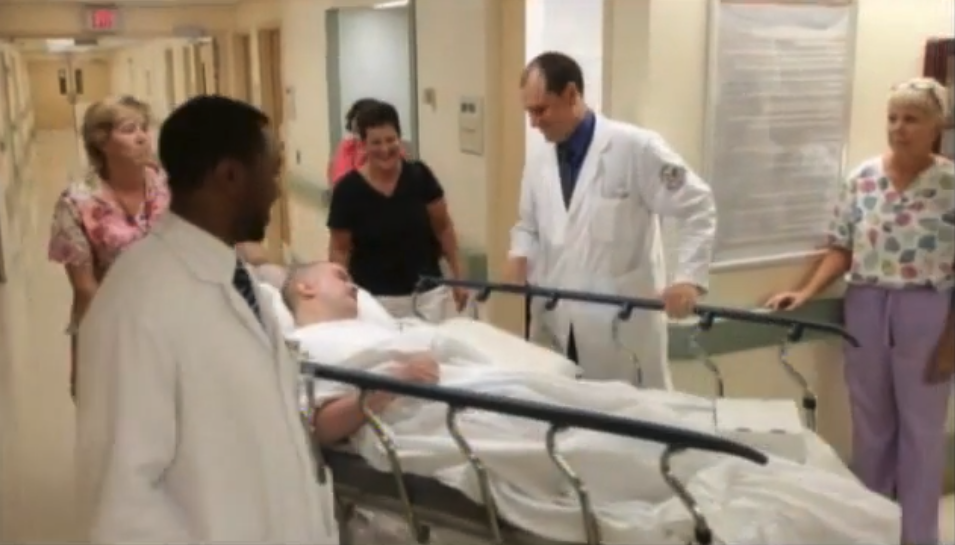
Episode 789 closes Season 18 with a single documentary from the U.S. Department of Veterans Affairs Polytrauma/TBI System of Care. From Surviving to Thriving follows the recovery of Staff Sergeant Benjamin Ricard, who sustained a traumatic brain injury when he was hit by an IED while serving, and shares the story of the Rogers family alongside him. VA clinicians, including Dr. Shane McNamee, chief of Physical Medicine and Rehabilitation at the Richmond VA Medical Center, explain how a coordinated team listens to veterans and families and supports them from surviving the injury to building a full life again. For veterans and families, the message is hope: recovery is a journey, and no one has to make it alone. For VA partners, rehabilitation providers, veterans' organizations, broadcasters, sponsors, and funders, the program shows what coordinated, family-centered care makes possible, and it brings the season full circle to the veterans' stories that opened with episode 744.
In this program
- From Surviving to Thriving VA (documentary)
Sound Tips™ Companion
Blasts that injure the brain often injure hearing too. Service members exposed to blasts can develop hearing loss, tinnitus (ringing in the ears), and dizziness or balance problems, and some have trouble understanding speech in noisy places even when a standard hearing test looks normal, because the brain's ability to process sound can be affected. Tinnitus in veterans is closely tied to mental health, and more severe tinnitus goes along with more symptoms of depression, anxiety, and PTSD. Sound Tips™ for veterans and families: after any blast or head injury, ask for a full hearing and balance evaluation, not just a quick screening; tell the care team about ringing, dizziness, or trouble following conversations; reduce background noise, face the speaker, and use captions to make conversations easier; include family members in appointments; and contact VA Audiology to get started with hearing care.
- Source: VA Polytrauma/TBI System of Care — From Surviving to Thriving
- Source: BrainLine — From Surviving to Thriving: The VA Team Listens and Cares
- Source: BrainLine — From Surviving to Thriving: The Rogers Family's Story
- Source: VA: Auditory and Vestibular Dysfunction Associated With Blast-Related TBI
- Source: DoD: Aural Blast Injury and Acoustic Trauma Clinical Practice Guideline
- Source: Speech-in-Noise Difficulties After TBI (Frontiers in Neurology, 2020)
- Source: Tinnitus Severity and Mental Health Symptoms in Veterans (Military Medicine, 2021)
- Source: VA Audiology: Access and Getting Started
Watch American Abilities: Sundays 10 AM ET · CW-WHAM Spectrum 16/1212 · WHAMDT2 (CW) 13.2 On the Air · DirecTV Ch. 14