
Episode 778
Living Well With Parkinson's
Why watch: Episode 778 presents two films from My Parkinson’s Story, a series of short videos from the VA’s Parkinson’s Disease Research, Education and Clinical Centers (PADRECCs), in which veterans share their own experience of living with Parkinson’s disease.
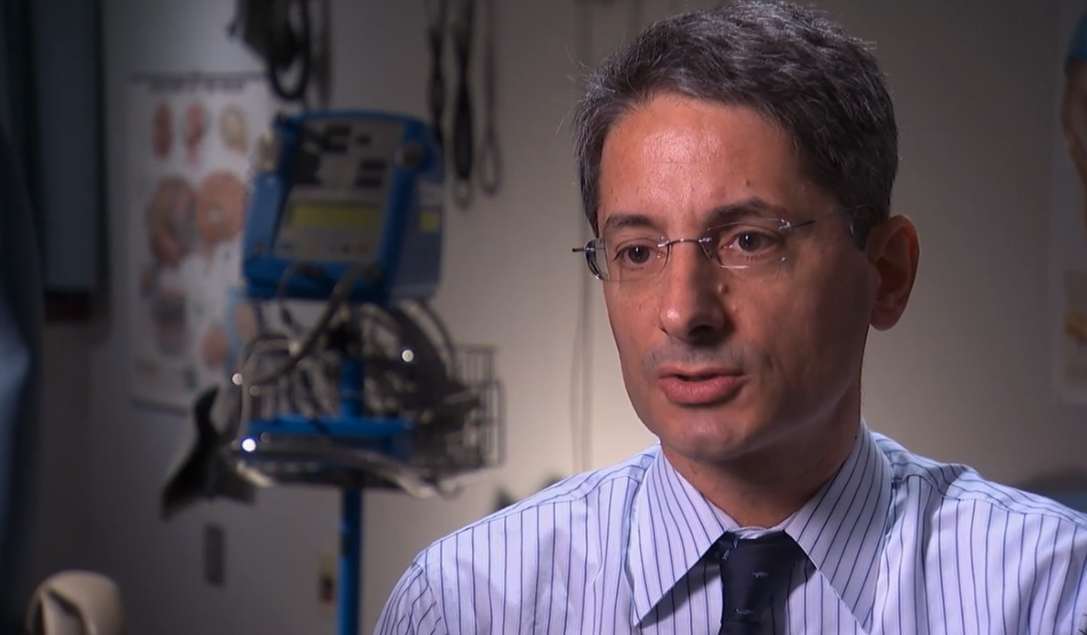
Episode 778 presents two films from My Parkinson’s Story, a series of short videos from the VA’s Parkinson’s Disease Research, Education and Clinical Centers (PADRECCs), in which veterans share their own experience of living with Parkinson’s disease. Driving takes on one of the hardest questions families face: how Parkinson’s can affect the skills needed to drive safely, and how to keep independence while protecting everyone on the road. Exercise shows why staying active matters, since regular movement helps strength, balance, flexibility, and mood. For veterans and families, the program offers practical guidance from people who are living with the disease. For VA partners, neurologists, therapists, veterans’ organizations, broadcasters, sponsors, and funders, it shows how veterans’ own stories can move viewers toward care. Vietnam-era veterans exposed to Agent Orange who develop Parkinson’s may be eligible for VA benefits.
In this program
- My Parkinson's Story Driving
- My Parkinson's Story Exercise
Sound Tips™ Companion
During this broadcast, the Sound Tips™ ticker connects Parkinson’s disease and hearing. A 2024 JAMA Neurology study of nearly 3.6 million U.S. veterans with hearing tests, led by researchers from OHSU and VA Portland, found that hearing loss was linked to a higher risk of later developing Parkinson’s, and the risk rose with more severe hearing loss. Veterans fitted with hearing aids within two years of a hearing-loss diagnosis appeared to have lower risk, though the study shows a link rather than proof of cause. Parkinson’s can also make a person’s voice softer and flatter, so conversations get harder on both sides when hearing loss is involved. Tips: get your hearing tested and wear hearing aids if they are recommended; ask about speech therapy for a soft voice; face each other and reduce background noise when talking; stay active, because exercise is part of Parkinson’s treatment; and talk openly with your care team and family about when it is time for a driving evaluation.
- Source: VA PADRECC: My Parkinson’s Story video series
- Source: VA PADRECC: For Veterans and Family (Agent Orange eligibility)
- Source: JAMA Neurology 2024: Hearing Loss, Incident Parkinson Disease, and Hearing Aids (PubMed)
- Source: OHSU News: Prompt Use of Hearing Aids May Reduce Parkinson’s Risk
- Source: Stanford Medicine: Benefits of Exercise for Parkinson’s
Watch American Abilities: Sundays 10 AM ET · CW-WHAM Spectrum 16/1212 · WHAMDT2 (CW) 13.2 On the Air · DirecTV Ch. 14