
Your original media source for hearing health, disabilities, and wellness
Wellness
Hearing health is connected to the whole person. Conditions like diabetes, heart disease and depression often travel together with hearing loss and disability.
Our wellness programs and features help viewers understand those links and take simple, healthy steps.
Wellness programs on AATV

Episode 794
After Two Years: A Conversation with the President
Step back to December 1962 for President Kennedy’s landmark “After Two Years” interview — and hear how his hidden Addison’s disease and the era’s hearing technology set the stage for today’s care.

Episode 787
Healthy Communities: Prevention Where We Live
Episode 787 is about making the healthy choice the easier choice.
Episode 786
Early Answers: Newborn Screening Saves Lives
Episode 786 is about the first days of life and the answers that come from checking early.
Episode 784
The Brain Explained: ADHD and Mental Health
Explore ADHD and mental-health research, then join Jane the Brain for child-friendly stories about handling stress, frustration, and sadness.

Episode 783
Sickle Cell Has Many Faces
Follow families living with sickle cell disease — from newborn screening and everyday challenges to the research opening new paths toward a cure.
Episode 778
Living Well With Parkinson's
Episode 778 presents two films from My Parkinson’s Story, a series of short videos from the VA’s Parkinson’s Disease Research, Education and Clinical Centers (PADRECCs), in which veterans share their own experience of living with Parkinson’s disease.

Episode 765
Bring Your Brave: Nine Stories of Family History
Nine young people share what it means to live with a family history of breast cancer — and why acting early matters.
Episode 735
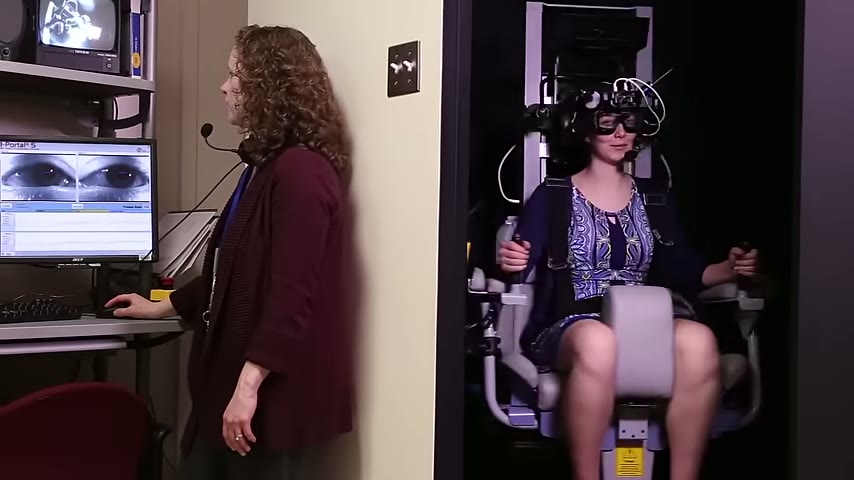
Inside the NIH: Brain, Balance, and Pain Research
Episode 735 opens the doors of the National Institutes of Health, the nation's medical research agency, through eight of its own productions.
Deep Dives: hearing loss, disabilities and wellness
Diabetes and Hearing Loss
Hearing loss is about twice as common in adults with diabetes as in those without it. High blood sugar may damage the small blood vessels and nerves of the inner ear.
Source: MedlinePlus (National Library of Medicine) →Dementia and Hearing Loss
The Lancet Commission on dementia identifies hearing loss as one of the largest modifiable risk factors for dementia. Treating hearing loss is one of the steps researchers say may reduce risk.
Source: Alzheimer’s Association →Heart Health and Hearing
The inner ear depends on healthy blood flow. Research links cardiovascular disease and its risk factors with higher rates of hearing loss.
Source: Hearing Loss Association of America →Cancer Treatment and Hearing
Some life-saving chemotherapy drugs, such as cisplatin, can damage hearing. Patients can ask about hearing tests before, during, and after treatment.
Read more in Timecyclopedia →PTSD, Tinnitus and Hearing
Veterans often live with both PTSD and tinnitus or hearing loss. The VA treats them together because each can make the other harder to manage.
Read more in Timecyclopedia →Veterans and Hearing Loss
Tinnitus and hearing loss are the most common service-connected disabilities among U.S. veterans — the lasting cost of weapons, aircraft, and engine noise.
Read more in Timecyclopedia →Mental Health and Hearing
Untreated hearing loss is associated with loneliness, social isolation, and depression. Staying connected through hearing care and communication support matters.
Source: National Institute on Aging →Smoking and Hearing Loss
Studies link smoking with a higher risk of hearing loss, and the risk falls after people quit.
Read more in Timecyclopedia →Sickle Cell Disease and Hearing
Sickle cell disease is most common among people of African descent, and it also affects Hispanic families and people with roots in the Middle East, South Asia and the Mediterranean. People with sickle cell have higher rates of sensorineural hearing loss, likely tied to reduced blood flow to the inner ear, so regular hearing checks are recommended.
Source: CDC →Men Get Breast Cancer, Too
About 1 in 100 breast cancers diagnosed in the United States is found in a man. Men of every race can get it, and a lump, nipple changes or a family history are reasons to see a doctor.
Source: American Cancer Society →Diabetes Hits Some Communities Harder
Diagnosed diabetes is more common among American Indian and Alaska Native, Black, and Hispanic adults than among white adults. Because diabetes is linked with hearing loss, regular blood sugar and hearing checks matter in every community.
Source: CDC National Diabetes Statistics Report →Tuberculosis Treatment and Hearing
Some injectable medicines once widely used for drug-resistant tuberculosis can cause permanent hearing loss. WHO now recommends safer all-oral treatments.
Read more in Timecyclopedia →Autoimmune Disease and Hearing
Autoimmune conditions, including rheumatoid arthritis, are associated with higher rates of hearing loss. Sudden changes in hearing deserve prompt medical attention.
Source: National Library of Medicine →Syphilis and Hearing
Untreated syphilis can affect the inner ear (otosyphilis). With rising cases in the U.S., CDC urges testing and early treatment.
Read more in Timecyclopedia →Weight, Wellness and Hearing
Studies associate obesity and low physical activity with higher rates of hearing loss, another sign that hearing health is whole-body health.
Source: National Library of Medicine →When Balance Trouble Isn't the Inner Ear
Fluid building up in the brain — normal pressure hydrocephalus — can affect hearing, vision and balance, and is often mistaken for aging, Alzheimer's or Parkinson's. Early recognition matters, because NPH can often be treated.
Source: National Institute of Neurological Disorders and Stroke →Living Well with Low Vision
Low vision means everyday tasks stay hard even with glasses, contacts, medicine or surgery. Vision rehabilitation, magnifiers, screen readers and good lighting help many people keep reading, working and living independently.
Source: National Eye Institute →Checkups That Catch Problems Early
Recommended screenings — including blood pressure, cancer screenings, vision and hearing checks — can find health problems early, when they are often easier to treat. Ask your doctor which exams fit your age and family history.
Source: MedlinePlus (National Library of Medicine) →
Questions people ask
Does hearing loss cause dementia?
Researchers have not proven that hearing loss causes dementia, but the two are strongly linked. The Lancet Commission on dementia names hearing loss as one of the largest risk factors people can change.
Full answer →Can ear infections cause hearing loss in children?
Ear infections are very common in young children. Fluid behind the eardrum can muffle hearing for a while, which can affect speech and learning if it keeps happening.
Full answer →