
Episode 765
Bring Your Brave: Nine Stories of Family History
Why watch: Nine young people share what it means to live with a family history of breast cancer — and why acting early matters.
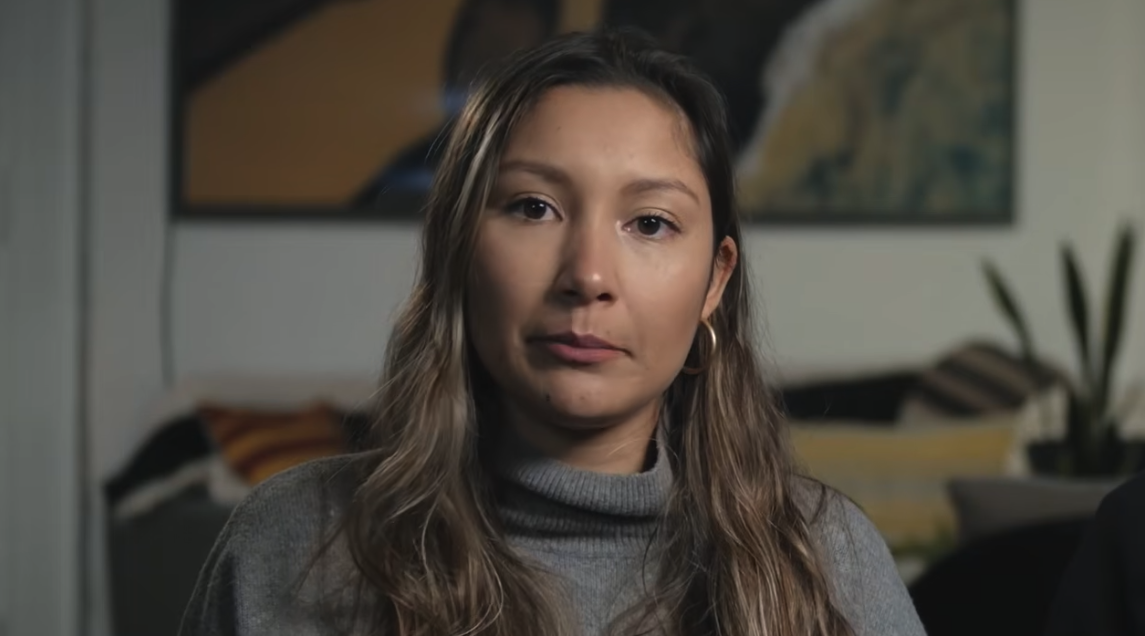
Episode 765 brings together nine short first-person films from CDC’s Bring Your Brave campaign, produced with the National Association of Chronic Disease Directors, about young people living with a family history of breast cancer. Brianna learns to accept support. Cara, whose mother died of breast cancer when Cara was three, draws on her family history and Ashkenazi Jewish heritage to stay proactive — and finds her own cancer early, at 25. Dana opens the family conversation, Eli takes control of his risk, and Erika faces her risk at a young age. Hannah reflects on feeling lucky, and Lauren works to break the cycle. Kenneth, diagnosed at 34, shows that men get breast cancer too and finds strength in connecting with others. Ricki speaks plainly about being Black with breast cancer. Together they carry one message: know your family history, talk about it, and act early. For viewers, the program turns fear into steps they can take. For health systems, cancer and genetics programs, community groups, broadcasters, sponsors, and funders, it shows how honest storytelling can move families toward screening and genetic counseling.
In this program
- Brianna’s Family History of Breast Cancer Accepting Support
- Cara My Breast Cancer Journey
- Dana’s Family History of Breast Cancer Having the Conversation
- Eli’s Family History of Breast Cancer Taking Control
- Erika’s Family History of Breast Cancer Facing Your Risk at a Young Age
- Hannah’s Family History of Breast Cancer Feeling Lucky
- Kenneth’s Family History of Breast Cancer Finding Strength Through Connection
- Lauren’s Family History of Breast Cancer Breaking the Cycle
- Ricki’s Family History of Breast Cancer Being Black with Breast Cancer
Sound Tips™ Companion
During this broadcast, the Sound Tips™ ticker connects breast cancer care with hearing health. Some cancer treatments can harm hearing: platinum chemotherapy drugs such as cisplatin and carboplatin are known to be ototoxic, meaning they can damage the inner ear, and some patients report tinnitus (ringing) or hearing changes during or after treatment. Chemotherapy-related hearing loss often starts with high-pitched sounds, so it can go unnoticed at first. Tips: before treatment, ask your oncology team whether any of your medicines can affect hearing, and ask for a baseline hearing test; report ringing, fullness, dizziness, or trouble following conversation right away; and bring a trusted person to appointments, since stress and fatigue make hard-of-hearing listening even harder. Family history matters: having close blood relatives with breast or ovarian cancer can raise your risk, and genetic counseling can help you decide on testing. About 1 in every 100 breast cancers in the U.S. is found in a man. Black women are about as likely as white women to get breast cancer but are more likely to die from it, which is why early screening and equal access to care matter. Viewers with hearing loss have the right to ask for interpreters, captions, or assistive listening at medical visits.
- Source: CDC: Bring Your Brave Campaign
- Source: CDC: Kenneth’s Family History of Breast Cancer (transcript)
- Source: CDC: Family Health History and Cancer
- Source: CDC: Breast Cancer in Men
- Source: CDC MMWR: Black–White Differences in Breast Cancer Incidence and Mortality (2016)
- Source: ASHA: Ototoxic Medications
- Source: NCI: Hearing Changes and Cancer Treatment
Watch American Abilities: Sundays 10 AM ET · CW-WHAM Spectrum 16/1212 · WHAMDT2 (CW) 13.2 On the Air · DirecTV Ch. 14