
Episode 735
Inside the NIH: Brain, Balance, and Pain Research
Why watch: Episode 735 opens the doors of the National Institutes of Health, the nation's medical research agency, through eight of its own productions.
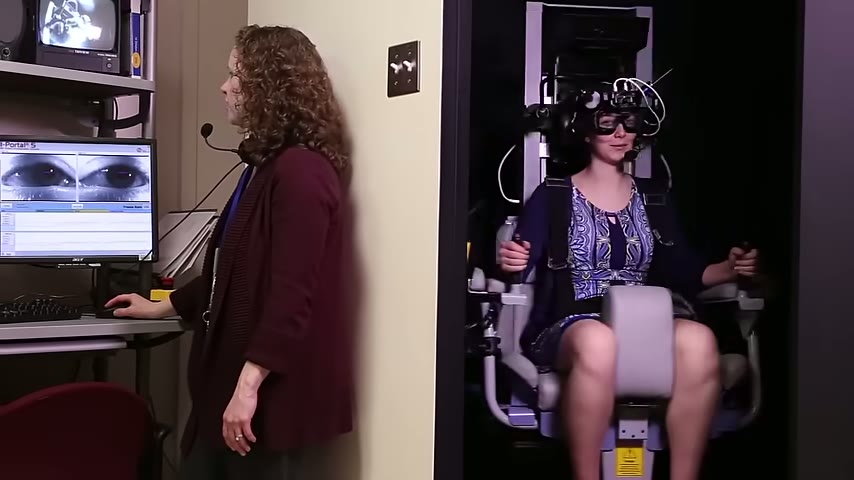
Episode 735 opens the doors of the National Institutes of Health, the nation's medical research agency, through eight of its own productions. Balance Research at the NIH takes viewers inside the NIH Clinical Center, where scientists study the inner-ear balance system that keeps us steady on our feet. Two Mental Health Minute segments from the National Institute of Mental Health explain anxiety disorders in adults and stress and anxiety in adolescents in plain, sixty-second language. The Hippocampus: A Window to Brain Research at NIH explores the brain structure at the center of memory. In Ketamine and Depression: From Despair to Hope in Hours, NIMH clinician-scientist Dr. Carlos Zarate describes research that brought relief from major depression in hours instead of weeks. Research fellow Benoit Renvoise of the National Institute of Neurological Disorders and Stroke shares work on inherited neurological disease, and Pain and the NIH HEAL Initiative presents the national research effort to solve the opioid crisis by transforming how pain is treated — a cause advanced by health policy analyst Cheryse Sankar, who helped lead NIH pain research policy and the HEAL Initiative's work on disparities in pain care. For viewers and families, this is the nation's research enterprise explained by the people doing it. For hospitals, universities, health partners, broadcasters, sponsors, and funders, it shows AATV bringing world-class science to a broadcast built on accessibility.
In this program
- Balance Research at the NIH
- Mental Health Minute Anxiety Disorders
- The Hippocampus A Window to Brain Research at NIH
- Ketamine and Depression From Despair to Hope in Hours - Carlos Zarate, NIH Clinician Scientist
- Benoit Renvoise - NIH - National Institute of Neurological Disorders and Stroke
- Mental Health Minute Stress and Anxiety in Adolescents
- Pain and the NIH HEAL Initiative
- Cheryse Sankar - Health Policy Analyst - NIH
Sound Tips™ Companion
During this broadcast, the Sound Tips™ ticker connects brain, balance, and pain research to hearing health. The balance system lives in the inner ear, right beside the hearing system — so dizziness, vertigo, and unsteadiness often travel with hearing loss and tinnitus, and a balance problem is a good reason to ask for a hearing evaluation too. About one-third of U.S. adults experience an anxiety disorder at some point in their lives, and stress and anxiety can make tinnitus feel louder and harder to ignore; relaxation, good sleep, and talking with a health care provider all help. Depression research offers hope: NIH studies showed ketamine can lift major depression within hours, and that work has opened a new direction for treatment. Chronic pain affects tens of millions of American adults, and the NIH HEAL Initiative is funding research into better, safer ways to manage it — because pain, stress, poor sleep, and hearing problems often reinforce one another. Tips: tell your doctor about ringing, dizziness, or unsteadiness; protect your hearing in noise; and remember that mental health care is health care.
- Source: NIH: Balance Research at the NIH Clinical Center (video)
- Source: NIDCD: Balance Problems and Disorders
- Source: NIMH: Mental Health Minute — Anxiety Disorders in Adults
- Source: NIMH: Mental Health Minute — Stress and Anxiety in Adolescents
- Source: NICHD: The Hippocampus — A Window to Brain Research at NIH (video)
- Source: NIH IRP: Ketamine and Depression — From Despair to Hope in Hours (video)
- Source: NINDS: Benoit Renvoise (video)
- Source: NINDS: Pain and the NIH HEAL Initiative (video)
- Source: NINDS: Cheryse Sankar — Health Policy Analyst (video)
- Source: NIDCD Quick Statistics About Hearing
Watch American Abilities: Sundays 10 AM ET · CW-WHAM Spectrum 16/1212 · WHAMDT2 (CW) 13.2 On the Air · DirecTV Ch. 14