
Episode 780
NASA's Evidence: Climate, Oceans, and Our Future
Why watch: Episode 780 brings NASA's climate science to the AATV audience in six segments drawn from the agency's own productions.
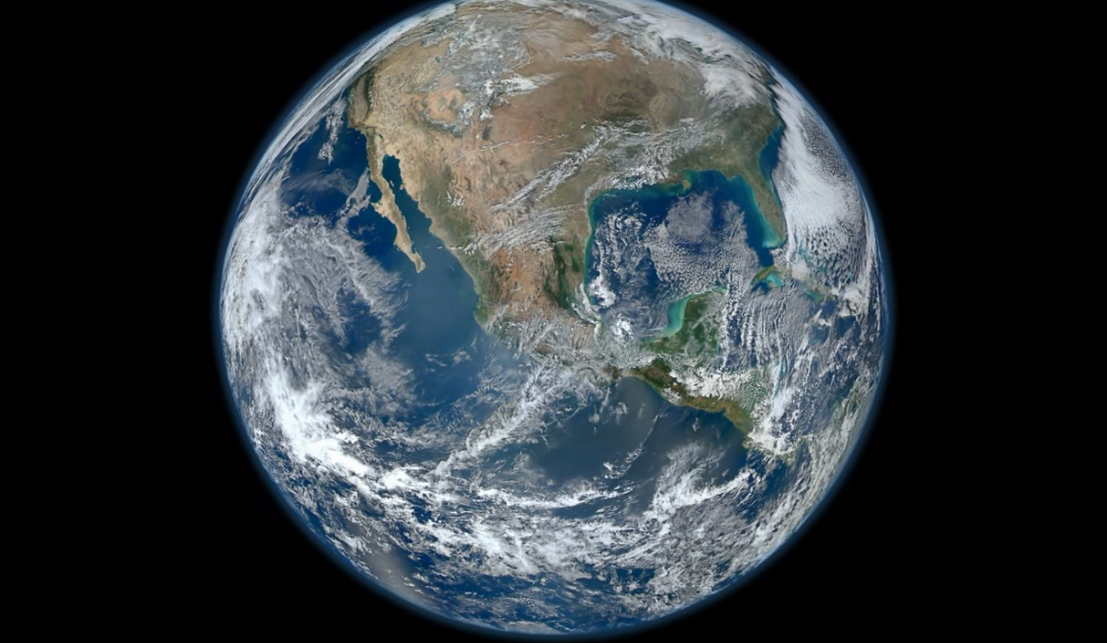
Episode 780 brings NASA's climate science to the AATV audience in six segments drawn from the agency's own productions. A NASA Goddard study shows how climate change could reshape global agriculture within a decade — corn yields down as much as 24 percent by 2030 while wheat yields could rise 17 percent. Two ocean segments explain why the sea is the driving force behind weather and climate, and a NASA visualization of UN IPCC data projects how temperature and precipitation patterns shift through the year 2100. The program closes with NASA's work helping cities like New York and Rio de Janeiro prepare for climate-related catastrophes, and a look at the fleet of satellites behind the U.S. National Climate Assessment. For viewers, this is the space agency's own evidence, explained plainly. For educators, public health partners, emergency planners, broadcasters, sponsors, and funders, it shows AATV connecting world-class science to the health and safety of the communities it serves.
In this program
- Climate Change Could Affect Global Agriculture Within 10 Years
- NASA Earth Science Week Climate Change & The Global Ocean
- NASA IPCC Projections of Temperature and Precipitation in the 21st Century
- NASA The Ocean A Driving Force for Weather and Climate
- NASA's Climate Change Data Key To Preparing Cities For Possible Catastrophes Video
- NASA's Fleet of Satellites Help Understand Climate Change on This Week @NASA
Sound Tips™ Companion
Climate change is a health story, and some of its effects reach the ears. Extreme heat is among the deadliest weather hazards — the World Health Organization estimates roughly 489,000 heat-related deaths worldwide each year — and heat-related deaths among people over 65 rose about 85 percent between the early 2000s and 2021. Severe dehydration can reduce blood flow to the inner ear and has been linked to sudden sensorineural hearing loss, so drink water and take heat warnings seriously. Long-term exposure to air pollutants such as nitrogen dioxide and carbon monoxide is associated with a higher risk of sensorineural hearing loss, and wildfire smoke carries fine particles and chemicals recognized as environmental ototoxicants. Climate shifts are also expanding the range of infectious diseases; bacterial meningitis, which leaves 1 in 5 survivors with severe complications including permanent hearing loss, spreads more easily during disasters. And noise itself is an environmental health burden — traffic noise alone costs Western Europe at least one million healthy life years every year. If you or someone you love has hearing loss, prepare before the emergency: use a NOAA Weather Radio with strobe light or bed-shaker alerts, keep hearing aids and cochlear implant processors in one easy-to-find place, and carry paper, pens, or communication cards in your emergency kit.
- Source: WHO: Heatwaves
- Source: WHO: Climate Change, Heat and Health
- Source: CDC/NIOSH: Heat Stress Illnesses
- Source: Air Pollution and Sensorineural Hearing Loss (PMC)
- Source: EPA: Wildfire Smoke and Health
- Source: WHO: Burden of Disease from Environmental Noise
- Source: WHO: Meningitis
- Source: NOAA: Weather Safety for the Deaf and Hard of Hearing
Watch American Abilities: Sundays 10 AM ET · CW-WHAM Spectrum 16/1212 · WHAMDT2 (CW) 13.2 On the Air · DirecTV Ch. 14